 Save
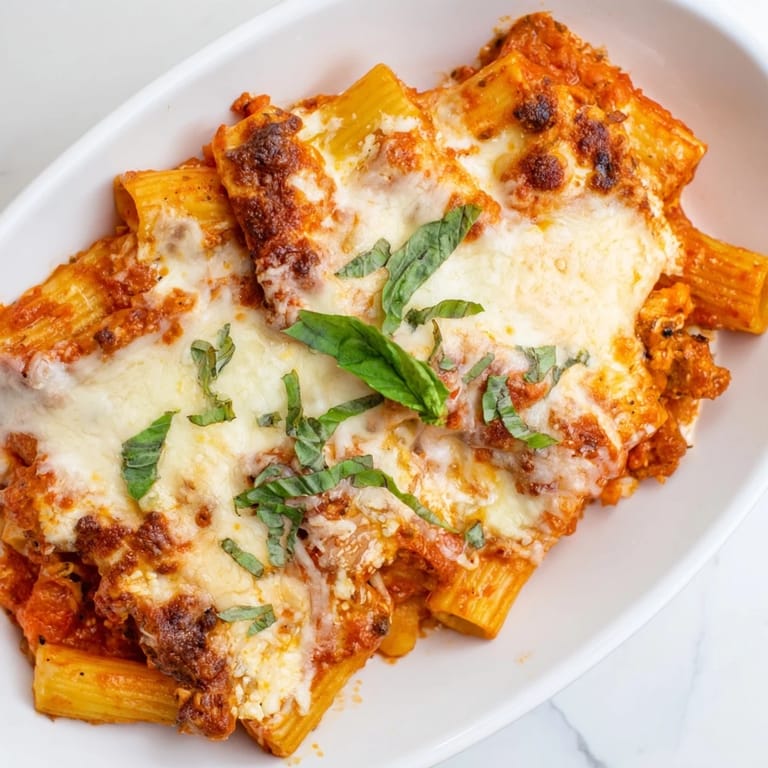
Save There's something about the smell of four cheeses melting together in the oven that stops time in a kitchen. My neighbor Marcus brought this dish to a potluck years ago, and I watched people eat it like they were solving a puzzle—quiet, focused, completely absorbed. He told me later he'd thrown it together on a Tuesday night just to use up some ricotta before it went bad, and somehow that accidental simplicity became the whole magic of it.
I made this for my partner during one of those winters where everything felt heavy, and they actually looked up from their plate and smiled—really smiled. That's when I knew this recipe wasn't just food; it was the kind of thing people remember when they're thinking about being taken care of.
Ingredients
- Penne or rigatoni, 1 pound: The shape matters more than you'd think because those little tubes catch the sauce and cheese, making every bite feel intentional.
- Ricotta cheese, 1 cup: This is the creamy foundation, but make sure it's good quality—cheap ricotta can taste grainy and ruin the whole thing.
- Shredded mozzarella, 1½ cups: Low-moisture mozzarella is non-negotiable here or you'll end up with a watery top instead of that golden, stretchy layer.
- Grated Parmesan, 1 cup: Buy a wedge and grate it fresh if you can; the pre-grated stuff has anti-caking agents that make the sauce feel sandy.
- Grated Romano, ¾ cup: This is the secret weapon—sharper and more peppery than Parmesan, it gives the whole dish an edge that makes people wonder what you did differently.
- Marinara sauce, 3 cups: Use a good jarred sauce or make your own; this is where flavor starts, so don't shortchange it.
- Garlic, 2 cloves minced: Fresh garlic adds a whisper of brightness that jarred sauce needs to feel alive.
- Olive oil, 2 tablespoons: This opens up the garlic and keeps everything from feeling heavy.
- Dried basil, 1 teaspoon: Dried herbs actually work better here than fresh because they infuse into the sauce as it simmers.
- Dried oregano, ½ teaspoon: A small amount keeps things Italian without overpowering the cheese moment.
- Red pepper flakes, ½ teaspoon: Optional but worth it—that tiny heat makes the richness feel balanced instead of cloying.
- Salt and black pepper: Taste as you go; the cheeses are already salty, so you might need less than you think.
- Fresh basil for garnish: A small green gesture at the end that reminds everyone this came from somewhere good.
Tired of Takeout? 🥡
Get 10 meals you can make faster than delivery arrives. Seriously.
One email. No spam. Unsubscribe anytime.
Instructions
- Heat your oven and prepare:
- Preheat to 375°F and grease your 9x13 dish—this is where the magic happens. Using a baking dish that's actually the right size matters because the pasta needs room to bubble without spilling over onto your oven floor.
- Cook the pasta until just shy of done:
- Get your salted water boiling hard, add the pasta, and pull it out about 2 minutes before the package says. It's going to keep cooking in the oven, and mushy pasta is the one thing that ruins this dish completely.
- Build the sauce while the pasta cooks:
- Warm olive oil in a saucepan, add garlic, and listen for that little sizzle—it should smell incredible within seconds. Stir in the marinara and seasonings, let it bubble gently for 5 minutes, then turn off the heat and step back to admire what you're making.
- Combine everything in one big bowl:
- Drain your pasta, then in a large bowl mix it with the ricotta, 1 cup mozzarella, half of the Parmesan and Romano, and 2 cups of sauce. This is where you taste and adjust, because this is your dish now.
- Layer it into the baking dish:
- Pour everything into the prepared dish, spread it even, then pour the remaining sauce on top. Top with the last of each cheese in a way that feels generous, because you want that golden cheese moment.
- Bake covered, then uncover:
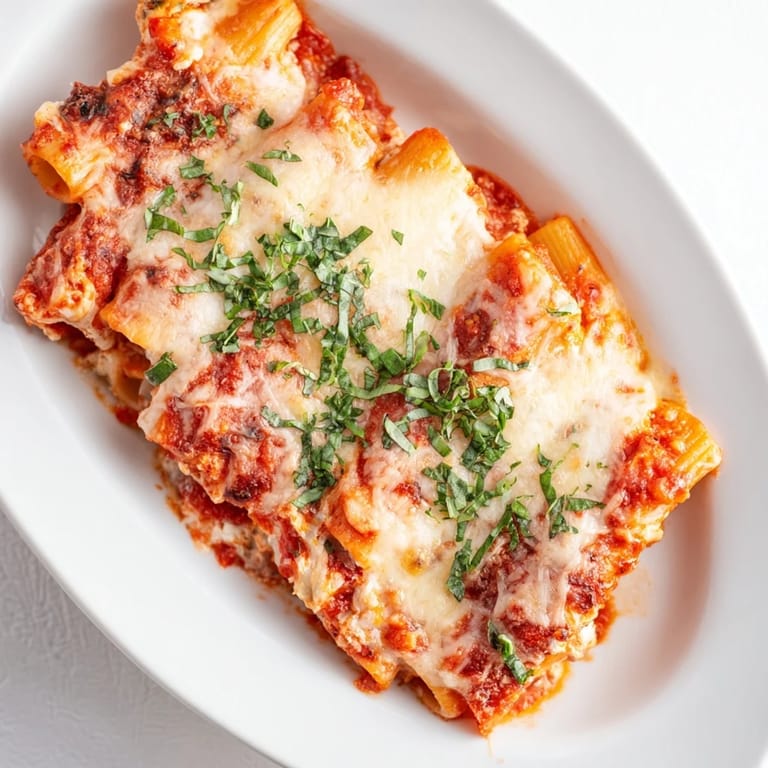
- Cover loosely with foil and bake for 20 minutes, then remove the foil and bake another 10 to 15 minutes until the top is golden and bubbling at the edges. You'll know it's right when it looks like it might overflow with joy.
- Rest before serving:
- Let it sit for 5 minutes so the cheeses set slightly and everyone gets to anticipate what's coming. Finish with fresh basil if you have it, and watch people lean in close to see what's in there.
 Save
Save I realized one Sunday morning, reheating a slice from the night before, that sometimes the best thing about cooking is knowing you made something people actually wanted to eat. This dish does that without trying too hard.
Making It Your Own
The beauty of this recipe is that it's a canvas. I've added sautéed spinach when I had extra greens, stirred in mushrooms that I'd roasted with garlic, even crumbled sausage through it once when someone unexpected showed up for dinner. The four cheeses are the anchors; everything else is up to you and whatever your kitchen feels like that day.
The Cheese Question
I spent way too long comparing ricotta brands at the grocery store until I realized the difference between good and great often comes down to how fresh it is and whether you trust the place you're buying from. Some people swear by whole milk ricotta, others by part-skim—taste what works for your family and stop second-guessing yourself. The same goes for mozzarella; one bad brick of watery cheese and you'll understand why low-moisture matters. Romano is the one people sleep on, but it's worth finding because it gives the whole dish an edge that makes people ask what you did.
Timing and Temperature
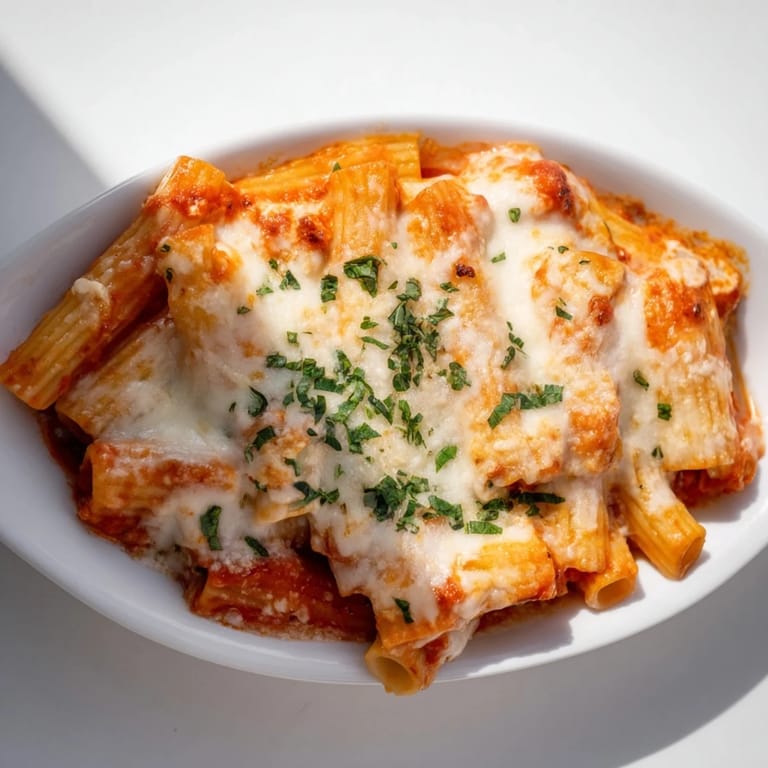
Every oven is different, which is why I always start checking around minute 12 of the uncovered baking time instead of trusting the clock completely. The pasta will continue softening from the residual heat, the sauce will continue bubbling, and the cheese will continue browning even after you pull it out. That's not a mistake; that's how you get it right.
- If your oven runs hot, you might hit golden in 10 minutes instead of 15.
- If your oven runs cool, give it the full 15 or even a couple minutes more.
- The foil-covered first phase is where the pasta finishes cooking and everything melds together.
 Save
Save This is the kind of recipe that teaches you that cooking for people is really just showing up with something warm and genuine. Everything else is just pasta and cheese.
Recipe FAQ
- → What type of pasta works best for this dish?
Penne or rigatoni are ideal as they hold the cheese sauce well and provide a satisfying bite.
- → Can I use homemade marinara sauce?
Absolutely. Homemade marinara adds a fresh flavor that complements the cheeses beautifully.
- → How do I achieve the golden top layer?
Bake uncovered during the last 10–15 minutes to allow the cheese blend to bubble and brown perfectly.
- → Are there lighter cheese alternatives?
Yes, part-skim ricotta and low-moisture mozzarella can be used for a lighter version without sacrificing flavor.
- → Can I add vegetables to this dish?
Spinach, mushrooms, or other sautéed vegetables can be mixed in for added texture and nutrition.
- → What herbs enhance the flavor profile?
Dried basil and oregano in the sauce, plus fresh basil as garnish, bring aromatic depth to the dish.