 Save
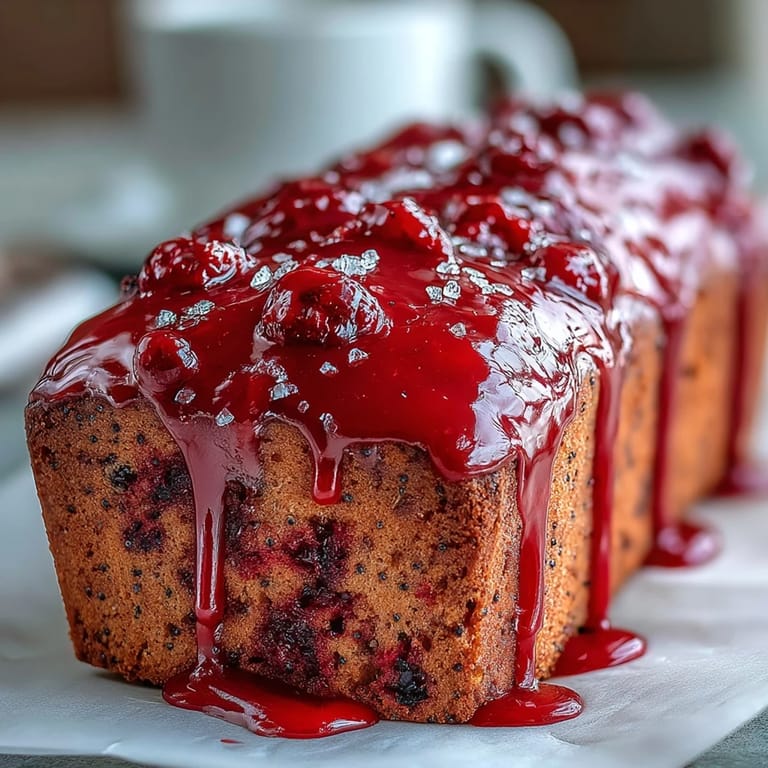
Save A colleague brought blood oranges to the office potluck once, and I stared at the ruby streaks running through the flesh like stained glass. I went home that night determined to bake something that would trap that color, that sharpness, that winter magic. This loaf cake became my answer. The marzipan was a last-minute gamble, something I spotted in the back of the pantry, and it turned the crumb into something dense, sweet, and impossibly tender.
I baked this for a friend recovering from surgery, someone who needed something bright but not too sweet. She called me later that week and said it tasted like optimism. I laughed, but I knew exactly what she meant. There is something about the way the zest clings to the sugar, the way the juice soaks into every corner, that feels like a promise winter will end.
Ingredients
- All-purpose flour: The backbone of the loaf, providing structure without heaviness when mixed gently.
- Baking powder: Gives the cake its lift, make sure it is fresh or the crumb will be dense and flat.
- Salt: A small pinch sharpens the citrus and balances the marzipan sweetness.
- Poppy seeds: They add texture and a faint earthiness that complements the floral orange notes beautifully.
- Unsalted butter: Softened to room temperature, it creams smoothly with the sugar and creates a tender crumb.
- Granulated sugar: Sweetens the cake and helps trap the essential oils from the zest when creamed together.
- Blood orange zest: This is where the magic lives, use a fine grater and avoid the bitter white pith.
- Eggs: Bind everything together and add richness, let them come to room temperature for smoother mixing.
- Marzipan: Grate it coarsely so it melts into pockets of almond sweetness throughout the loaf.
- Blood orange juice: Freshly squeezed is essential, the tartness and color cannot be replicated with regular oranges.
- Whole milk: Adds moisture and a subtle creaminess that softens the acidity of the juice.
- Vanilla extract: A quiet background note that rounds out the citrus without competing.
- Powdered sugar: For the glaze, it dissolves instantly and creates a smooth, glossy finish.
Tired of Takeout? 🥡
Get 10 meals you can make faster than delivery arrives. Seriously.
One email. No spam. Unsubscribe anytime.
Instructions
- Preheat and Prep:
- Set your oven to 175°C and line your loaf pan with parchment, letting the edges hang over for easy lifting later. Grease the parchment lightly so nothing sticks.
- Mix the Dry Ingredients:
- Whisk the flour, baking powder, salt, and poppy seeds in a bowl until the seeds are evenly scattered. This ensures every slice has that signature speckle.
- Cream the Butter and Sugar:
- Beat the softened butter, sugar, and blood orange zest together until pale and fluffy, about three minutes. The mixture should look almost like whipped frosting.
- Add the Eggs:
- Crack in the eggs one at a time, beating well after each addition so the batter stays smooth and emulsified. If it looks slightly curdled, do not panic, it will come together.
- Fold in the Marzipan:
- Gently stir in the grated marzipan until it is evenly distributed but not overmixed. You want little pockets of almond sweetness, not a uniform paste.
- Combine the Wet Ingredients:
- In a small bowl, whisk together the blood orange juice, milk, and vanilla extract. The acidity may cause the milk to curdle slightly, that is normal.
- Alternate Wet and Dry:
- Add the dry ingredients in three parts, alternating with the blood orange mixture, starting and ending with dry. Mix just until no streaks of flour remain, overmixing will make the cake tough.
- Bake:
- Pour the batter into the prepared pan, smooth the top gently, and bake for 45 to 55 minutes. The cake is done when a toothpick inserted in the center comes out clean or with just a few moist crumbs.
- Cool:
- Let the loaf cool in the pan for ten minutes, then lift it out using the parchment overhang and transfer to a wire rack. Patience here prevents a soggy bottom.
- Glaze:
- Whisk powdered sugar with blood orange juice until smooth and pourable, then drizzle over the cooled cake. Let it set for at least fifteen minutes before slicing.
 Save
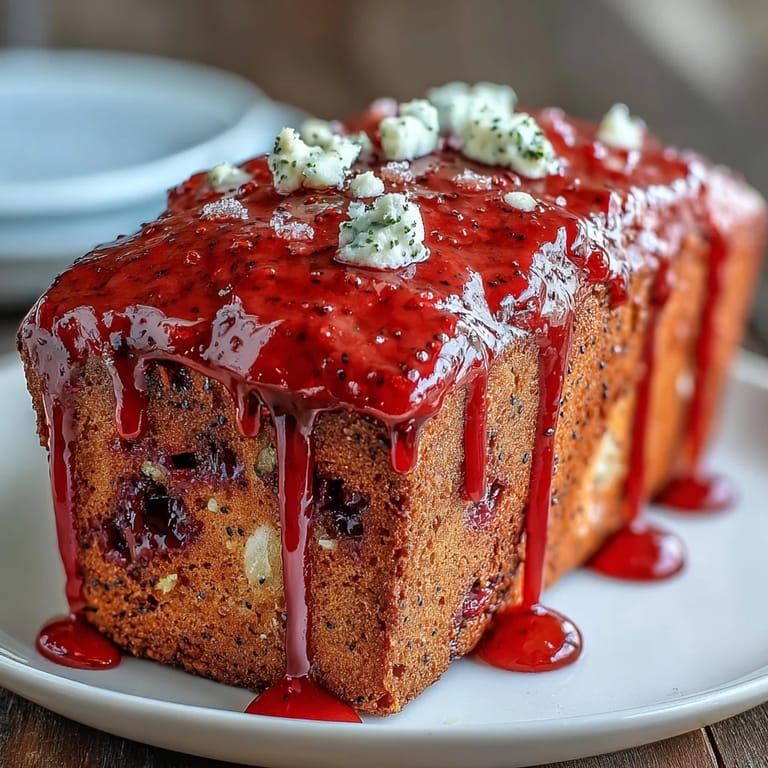
Save The first time I sliced into this loaf, the glaze crackled softly under the knife, and the smell of orange oil rose up like steam. My sister grabbed a piece before it even hit the plate. She did not say a word, just closed her eyes and chewed slowly, and I knew I had made something worth repeating.
Storing and Serving
This cake keeps beautifully at room temperature in an airtight container for up to three days, the marzipan keeps the crumb moist even as it ages. If you want to make it ahead, bake the loaf and freeze it unglazed for up to a month, then thaw, glaze, and serve. Slice it thick and serve it with strong black tea, or thin it out and pair it with whipped cream and fresh berries for something fancier.
Variations and Swaps
If you cannot find blood oranges, regular navel or Cara Cara oranges work, though you will lose that striking ruby hue. Almond paste can replace marzipan for a deeper, less sweet almond flavor, just grate it the same way. For a boozy twist, add a tablespoon of Grand Marnier or Cointreau to the glaze, it cuts through the sweetness and adds a grown up edge.
Pairing Suggestions
This loaf shines alongside Earl Grey tea, the bergamot oil in the tea echoes the citrus beautifully. For something celebratory, serve it with a chilled glass of Prosecco or a light sparkling wine. If you are feeling indulgent, a dollop of mascarpone or crème fraîche on the side turns each slice into a plated dessert.
- Toast leftover slices lightly and spread with salted butter for breakfast.
- Crumble a slice over vanilla ice cream for an easy, elegant sundae.
- Wrap individual slices in parchment and tie with twine for edible gifts.
 Save
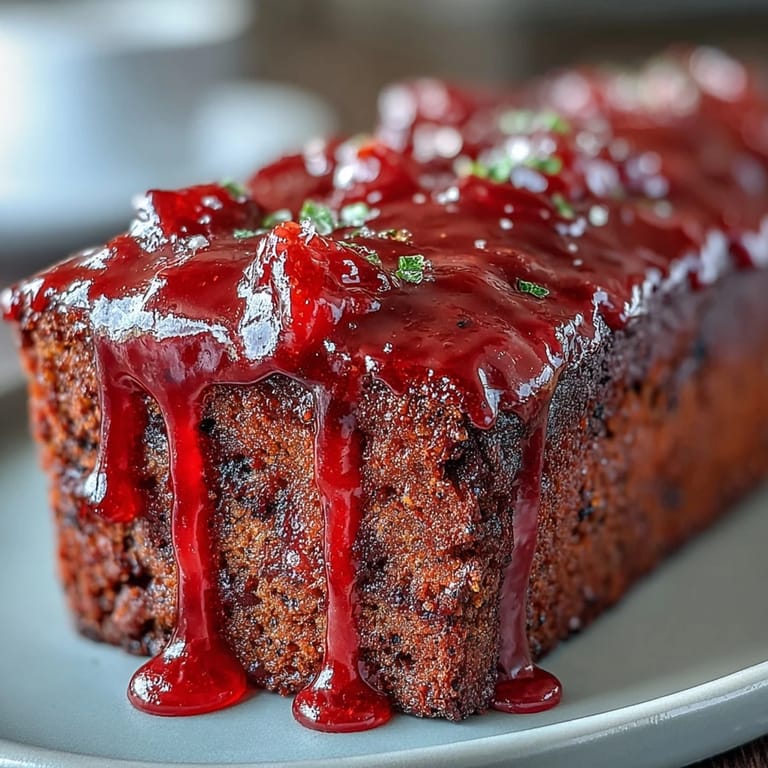
Save There is something quietly triumphant about pulling a loaf like this from the oven, golden and fragrant, proof that winter fruit and a little patience can become something extraordinary. I hope it becomes a favorite in your kitchen, too.
Recipe FAQ
- → Can I use regular oranges instead of blood oranges?
Yes, regular oranges work well, though you'll lose the distinctive ruby color and slightly berry-like flavor. The cake will still be delicious and citrusy.
- → What can I substitute for marzipan?
Almond paste is the closest substitute and provides a deeper almond flavor. You can also use finely ground almonds mixed with a bit of sugar, though the texture will differ slightly.
- → How should I store this loaf cake?
Store in an airtight container at room temperature for 2-3 days. The cake stays moist thanks to the marzipan and citrus juice. You can also refrigerate it for up to 5 days.
- → Can I freeze this cake?
Yes, wrap the unglazed cake tightly in plastic wrap and aluminum foil, then freeze for up to 3 months. Thaw at room temperature and add the glaze before serving.
- → Why is my cake dense instead of light?
Overmixing the batter develops gluten, creating a dense texture. Mix just until ingredients are combined. Also ensure your baking powder is fresh and butter is properly creamed with sugar.
- → What drinks pair well with this cake?
Earl Grey tea complements the citrus beautifully, while Prosecco or a light dessert wine enhances the European character. Coffee also works wonderfully with the almond notes from the marzipan.