 Save
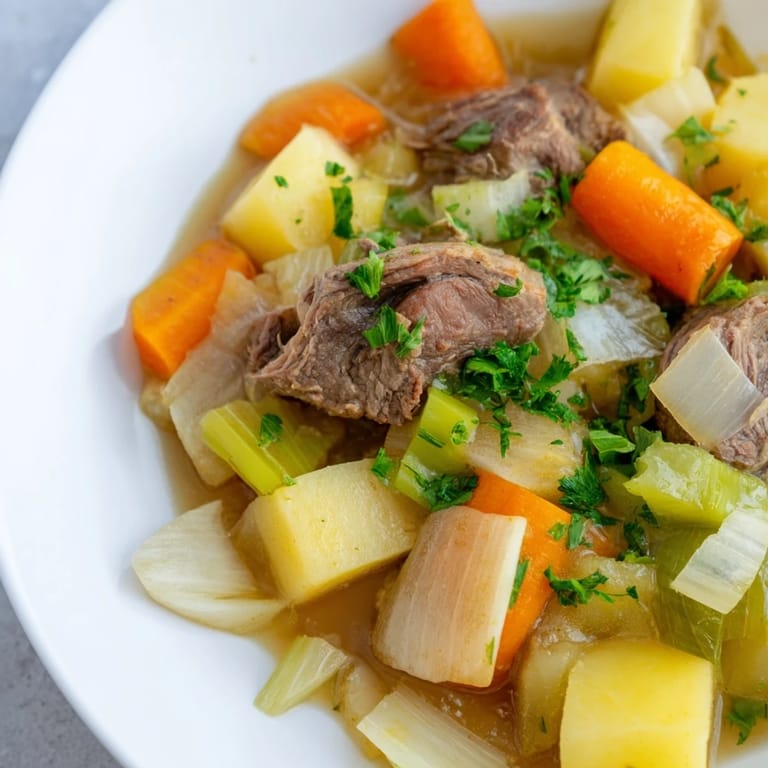
Save My grandmother used to make cawl on the first real cold day of autumn, when the kitchen would fill with steam and the smell of slow-cooked lamb made everything feel slower, warmer, more generous. She'd start it in the morning without fuss, letting it bubble away while she folded laundry and told stories about winters in Wales. The first time I tasted it properly—not rushed, not reheated—I understood why people carried this dish in their bones.
I made this for friends on a grey January evening when everyone arrived tired and hungry, and watching their faces change as they tasted it—that moment when food becomes less about nutrition and more about feeling cared for—that's when I learned what cawl really is.
Ingredients
- Lamb shoulder, 1 kg, cut into large chunks: Bone-in pieces matter because they give the broth depth and richness you can't rush; the meat becomes almost creamy after two hours of gentle simmering.
- Carrots, 2 large, peeled and sliced: They sweeten naturally as they cook, adding a subtle contrast to the savory broth without needing added sugar.
- Parsnips, 2 medium, peeled and sliced: These bring an earthiness that feels almost sweet; if you can't find them, double the carrots instead.
- Potatoes, 2 medium, peeled and diced: They thicken the broth slightly and become incredibly tender, almost dissolving if you're not careful.
- Swede (rutabaga), 1 small, peeled and diced: Sounds odd if you've never used it, but it adds a gentle sweetness and distinct flavor that makes this taste authentically Welsh.
- Leeks, 2, cleaned and sliced: This is the signature ingredient—slice them thoroughly and reserve some for the very end so they keep their character.
- Onion, 1 medium, diced: It dissolves into the broth and becomes part of the foundation; there's no need to sauté it first.
- Stock, 1.5 liters chicken or lamb: Use a good quality stock because this is the only real liquid in the pot; taste it before you start and adjust salt accordingly.
- Bay leaves, 2: These anchor the flavor without shouting; remove them at the end because biting into one is honestly unpleasant.
- Fresh parsley, 1 small bunch, chopped: Add most of it near the end so the flavor stays bright and alive instead of cooking away.
- Salt and freshly ground black pepper, to taste: Season gradually; you can always add more but you can't take it back.
Tired of Takeout? 🥡
Get 10 meals you can make faster than delivery arrives. Seriously.
One email. No spam. Unsubscribe anytime.
Instructions
- Brown the lamb gently:
- Place the lamb chunks in a large pot and cover with cold stock. Bring it slowly to a boil—don't rush this—and you'll see a grey foam rise to the surface. Skim it off with a spoon; it's just impurities and removing it makes the broth cleaner and clearer.
- Let it breathe for an hour:
- Add the bay leaves, lower the heat to a gentle simmer, cover the pot, and step back. This is the magic part where you're not really doing much; the lamb needs this time to surrender and soften.
- Build the vegetable foundation:
- Add the carrots, parsnips, potatoes, swede, onion, and most of the leeks (keeping a handful raw for later). Season with salt and pepper, stir gently, and let everything settle into the broth together.
- Wait for tenderness:
- Another 45 minutes of simmering lets the vegetables become completely soft while the lamb falls apart at the gentlest nudge. You'll notice the broth tastes more complex now, richer somehow.
- Wake it up at the end:
- Stir in the reserved leeks and fresh parsley, then simmer for just 10 minutes so they soften but don't disappear into the pot. This final step brings brightness back to a dish that's been mellowing for over an hour.
- Taste and adjust:
- Remove the bay leaves, take a spoon to the broth, and season again if needed. You might be surprised how much seasoning gets absorbed during cooking.
 Save
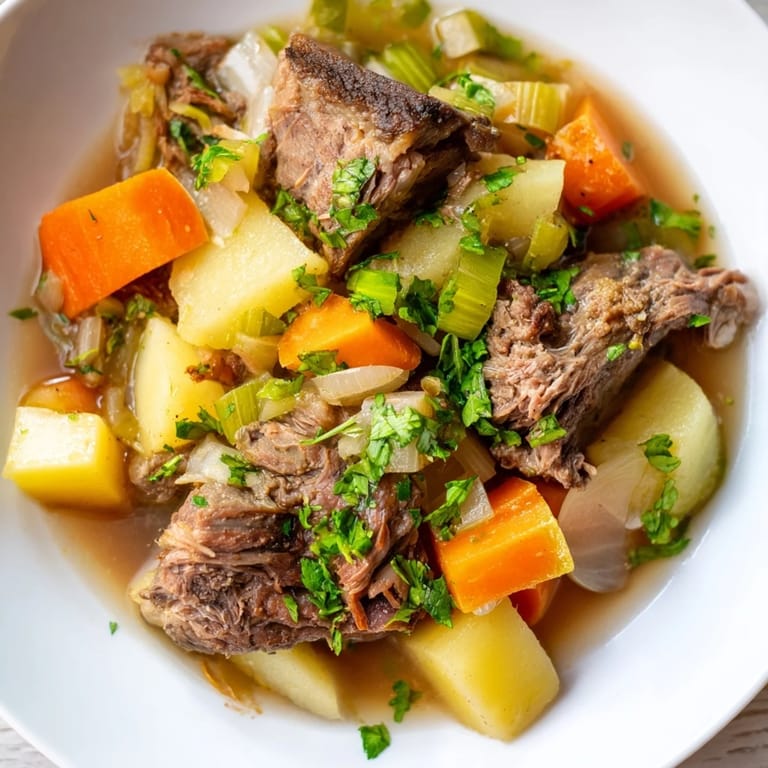
Save My grandfather used to say cawl was proof that good food doesn't need to be complicated, just honest and unhurried. Watching someone eat this and ask for another bowl says more than any description ever could.
Why This Dish Speaks to People
Cawl isn't trying to impress you with technique or exotic ingredients; it's sitting quietly at your table, asking nothing except your hunger and a quiet evening. This is cooking for people you love, the kind where steam fogs your glasses and your hands smell like lamb and parsley for the rest of the day in the best possible way.
The Matter of Making It Ahead
One of the truest things about cawl is that it's better on the second day, after the flavors have settled and gotten to know each other overnight in the refrigerator. If you make it a day ahead, the broth becomes deeper and more rounded, and you're freed from cooking anxiety on the evening you want to serve it. Reheat it gently, never rushing it back to a boil, and it tastes like you've been caring for it all along.
How to Serve It (and What Goes Beside It)
Cawl is complete on its own, but it invites companions—a thick slice of crusty bread for soaking, a wedge of sharp Welsh cheese like Caerphilly, or even just a small glass of cider. Some people add the bread to the bowl, some keep it separate for contrast, and there's no wrong way; it's about what feels right to you in that moment.
- If you can find it, seek out proper Welsh cheese; the nuttiness against the gentle lamb is exactly right.
- Crusty bread should be almost yesterday's bread, sturdy enough not to fall apart in the broth but fresh enough to taste good.
- Finish each bowl with a small handful of extra parsley so there's always a note of brightness in every spoonful.
 Save
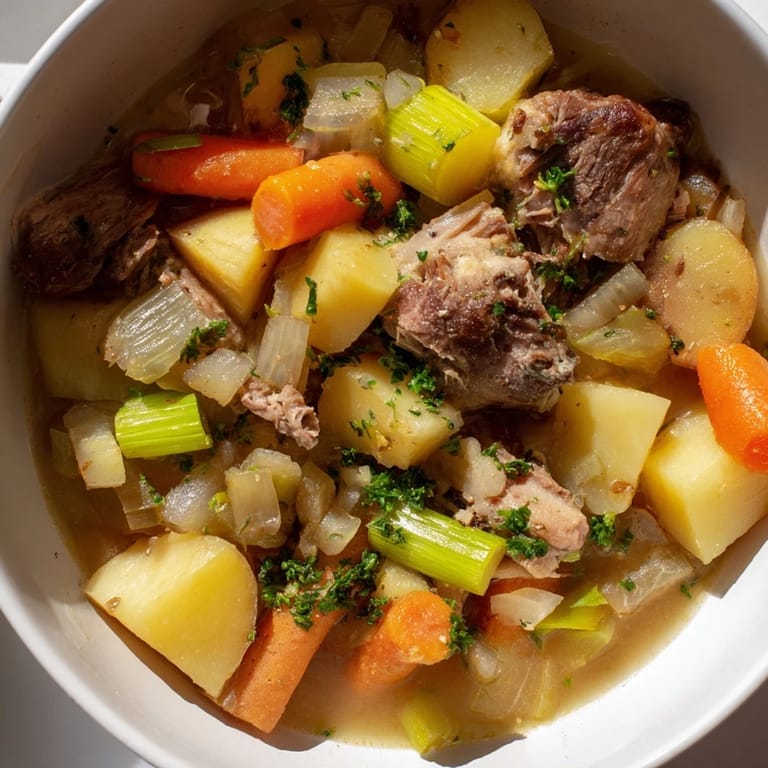
Save This is the kind of dish that teaches you something about cooking if you let it—that slowness is a flavor, that generosity is an ingredient, and that the best meals are the ones you make with time to spare.
Recipe FAQ
- → What cut of lamb is best for this stew?
Lamb shoulder with bone-in is preferred for rich flavor and tenderness after slow simmering.
- → Can I prepare this stew ahead of time?
Yes, letting the stew rest overnight enhances the flavors, making it even more delicious the next day.
- → What vegetables are traditionally used in Welsh cawl?
Root vegetables like carrots, parsnips, potatoes, swede, along with leeks and onions, create the stew's classic base.
- → How can I make this dish gluten-free?
Ensure stock is gluten-free and serve the stew without bread to keep it naturally gluten-free.
- → What sides complement this stew?
Crusty bread or Welsh cheese such as Caerphilly pair wonderfully with the rich, hearty flavors.
- → Is it possible to use other meats in this stew?
Yes, beef or chicken can be substituted for lamb for a different but still satisfying flavor.