 Save
Save My cousin called me in a panic two weeks before her graduation, practically hyperventilating about needing a cake that screamed both celebration and sophistication. She's a Taurus through and through—stubborn, grounded, but with this quiet elegance about her—and she wanted something that matched that vibe while marking this huge moment. I'd never piped flowers before, but standing in my kitchen at midnight, butter softening on the counter and my phone open to piping tutorials, I realized this was exactly the kind of thing that sounds impossible until you actually try it.
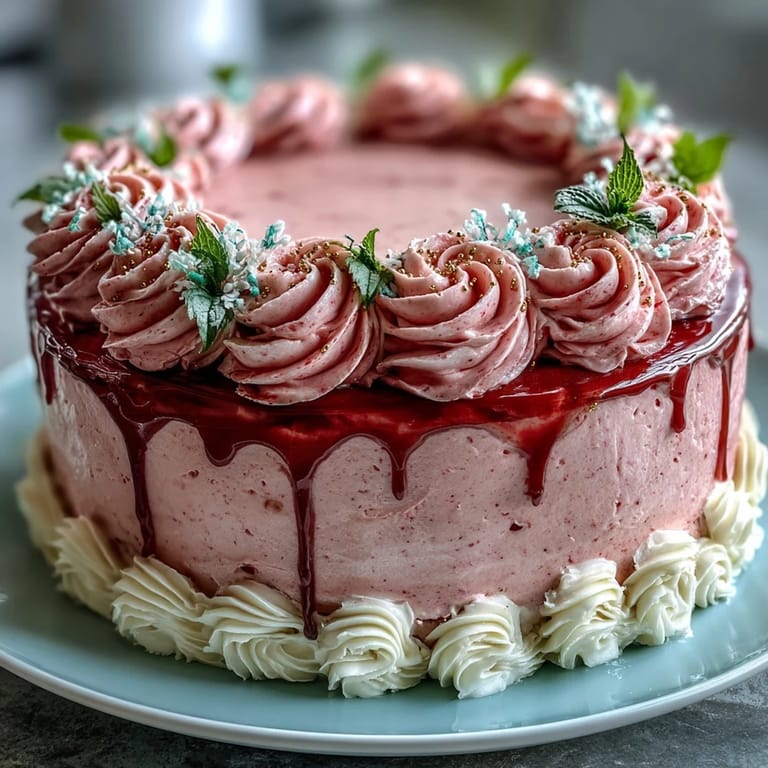
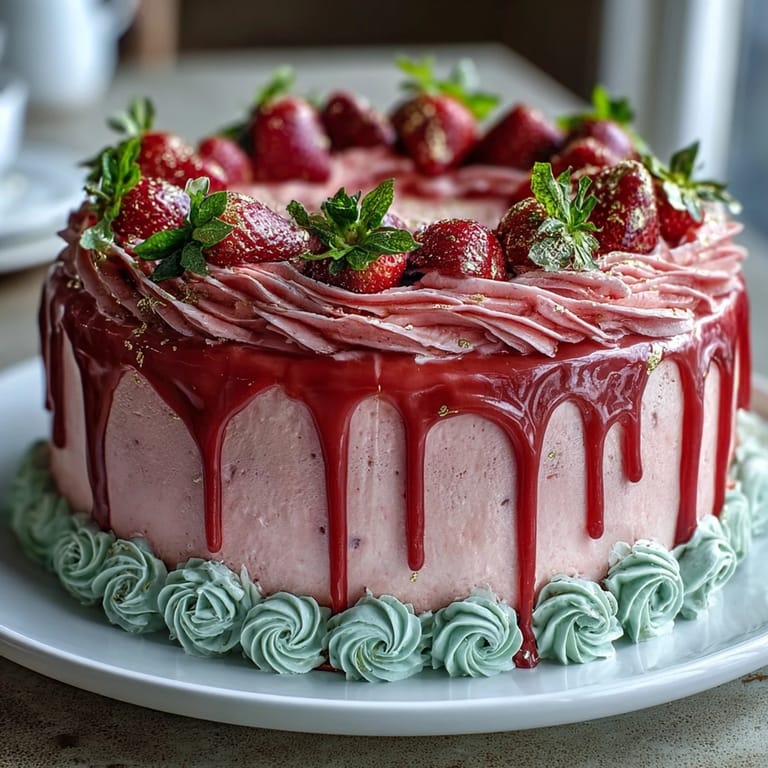
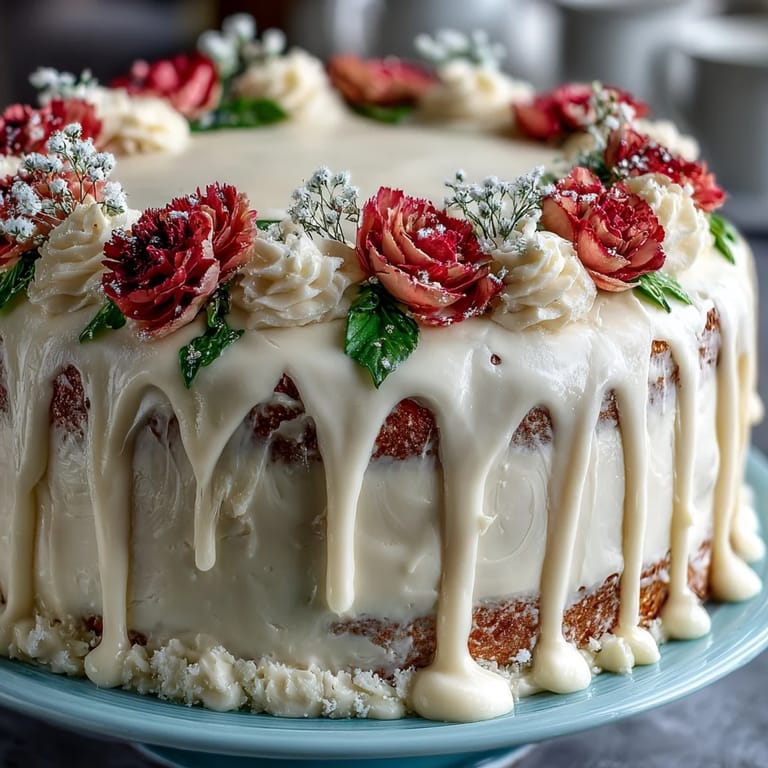
Watching her face when she saw it for the first time—the way her eyes got teary while pretending not to—that's when it clicked that a cake is just sweetened flour until someone you love is about to blow out candles over it. Her friends started snapping photos before anyone even cut into it, and suddenly this thing I'd stressed over was living its own life on social media. Three layers of vanilla, painted in soft pinks and purples with tiny buttercream flowers, felt like the physical version of saying, "You did it, and you're going to keep doing incredible things."
Ingredients
- All-purpose flour (2 1/2 cups): The foundation of structure; sifting isn't strictly necessary if you fluff and spoon before measuring, but it does prevent dense pockets.
- Baking powder (2 1/2 tsp): This gives you that tender crumb; don't skip it or substitute with baking soda unless you enjoy hockey pucks.
- Salt (1/2 tsp): A pinch that somehow makes vanilla taste more like vanilla, trust me on this.
- Unsalted butter for cake (1 cup): Room temperature is non-negotiable because cold butter won't cream properly no matter how hard your mixer works.
- Granulated sugar (2 cups): Creaming this with butter for a few minutes creates air pockets that bake into lightness.
- Eggs (4 large): Room temperature eggs blend smoothly into batter without shocking the butter mixture, which kept my cake from splitting.
- Pure vanilla extract (1 tbsp for cake): The difference between good and transcendent; imitation extract tastes like sadness in comparison.
- Whole milk (1 cup): Room temperature milk won't seize your batter and ruin everything mid-mix.
- Unsalted butter for frosting (1 1/2 cups): Soft butter whips to an airy cloud that holds piping details without deflating.
- Powdered sugar (5 cups, sifted): Lumps create tiny disasters when piping, so sift even if it feels fussy.
- Heavy cream or milk (2-4 tbsp): Just enough to loosen frosting to piping consistency without making it weep.
- Gel food coloring: Gel holds color better than liquid and doesn't thin your frosting like water does; I learned this the hard way with a purple puddle.
- Edible gold leaf (optional): A tiny touch makes this feel ceremonial and special for a graduation moment.
Tired of Takeout? 🥡
Get 10 meals you can make faster than delivery arrives. Seriously.
One email. No spam. Unsubscribe anytime.
Instructions
- Set your stage:
- Preheat to 350°F and grease three 8-inch pans with parchment paper cut to fit the bottoms. This prevents sticking and makes removal feel like a minor victory.
- Combine dry ingredients:
- Whisk flour, baking powder, and salt in a bowl until they're evenly distributed. This prevents pockets of baking powder that taste like chemical regret.
- Cream butter and sugar:
- Beat them together for 3-4 minutes until the mixture looks pale, fluffy, and almost mousse-like. You're literally aerating the mixture, which is why stopping early means dense cake.
- Add eggs thoughtfully:
- Add one egg at a time, beating well after each addition so it fully incorporates. This prevents a greasy, separated mess that's heartbreaking to watch happen.
- Flavor with vanilla:
- Mix in your vanilla extract and let it blend into the creamed mixture. This small pause lets the flavors marry before everything else arrives.
- Alternate wet and dry:
- Add flour mixture and milk in three batches, starting and ending with flour, stirring just until combined. Overmixing develops gluten and toughens your cake, which is the opposite of what you want.
- Divide and bake:
- Pour batter evenly into three pans and smooth the tops. Bake 28-35 minutes until a toothpick comes out clean, which happens faster than you'd expect.
- Cool with patience:
- Let cakes sit in pans for 10 minutes, then turn out onto wire racks to cool completely. Rushing this step means frosting melts into puddles.
- Whip the frosting:
- Beat softened butter until creamy, then gradually add sifted powdered sugar while the mixer runs. The gradual addition prevents powder clouds and ensures smooth frosting.
- Reach ideal consistency:
- Add vanilla and cream until your frosting is thick enough to hold peaks but soft enough to pipe. This is where tasting happens, and adjusting is allowed.
- Color for flowers:
- Divide frosting into bowls and add gel coloring drop by drop, mixing well. Gel is potent, so you need less than you think.
- Level and layer:
- If cake domes unevenly, slice tops level with a serrated knife. Place the first layer on a plate, spread frosting, repeat layers.
- Crumb coat:
- Apply a thin layer of frosting over the entire cake and chill for 20 minutes. This seals in crumbs so your final coat stays pristine.
- Final frosting coat:
- Apply a smooth, generous layer of white or tinted frosting as your base. This is your canvas for floral art.
- Pipe floral designs:
- Using colored buttercream and petal tips, pipe flowers, leaves, and vines across the cake. Each piped flower teaches you something about pressure and angle.
- Add special touches:
- Place a small Taurus symbol or gold leaf accent somewhere prominent. This tiny detail transforms it from beautiful cake into personalized celebration.
- Chill and serve:
- Refrigerate until ready to serve, then bring to room temperature for 30 minutes before slicing. Cold cake is firm for cutting, but room temperature tastes infinitely better.
 Save
Save There's something almost meditative about piping buttercream flowers when the house is quiet and you've got time to actually focus on the details. I sat at my kitchen table for two hours, piping tiny roses and leaves while listening to podcasts, and by the end my hand cramped but my mind felt settled in a way it hadn't in weeks. The cake became this thing I'd made with intention and care, layer by layer, flower by flower, and that mattered more than whether every petal was perfectly symmetrical.
The Vanilla Cake Foundation
This vanilla cake is deliberately subtle because it needs to be the supporting actor to your buttercream flowers, not the main event. The flavoring comes from quality vanilla extract and the richness of butter and eggs, not from competing spices or add-ins. I tested a version with almond extract once and it threw off the whole balance, so now I stick with pure, simple vanilla that lets the frosting shine.
Mastering Buttercream Piping
Piping flowers sounds like an advanced skill until you realize it's just controlled pressure and hand position, which you can absolutely learn by doing. The petal tips create realistic flower shapes almost on their own; leaf tips pipe thin curved lines that look deliberately botanical. Your first attempts will look wobbly and imperfect, and that's the moment you realize imperfection is actually charming and human.
Customization and Personal Touches
This cake wants to tell the story of whoever it's celebrating, so lean into personalization hard. Match flower colors to school colors, incorporate floral patterns that mean something to the person, or add a small symbol that represents them. The Taurus touches in mine—earth tones, geometric gold accents, flowers chosen for their earthy meaning—made it feel like it was specifically created for her.
- Match your flower color palette to the graduate's favorite colors or school colors for instant personal connection.
- Research what flowers mean something specific to the person; for example, daisies for cheerfulness or roses for accomplishment.
- Add a small edible symbol or accent that ties back to their interests, whether it's a tiny diploma, a zodiac symbol, or an initial.
 Save
Save This cake exists in that beautiful space where impressive and achievable meet, where something that looks like it took professional skill actually just took intention and time. Make it for someone who deserves to feel celebrated.
Recipe FAQ
- → How do I achieve smooth buttercream frosting?
Beat softened butter until creamy before gradually adding powdered sugar. Mix well and add cream to reach a smooth, spreadable consistency.
- → What is the best way to create floral buttercream designs?
Use gel food coloring to tint buttercream into desired shades and pipe using petal, leaf, and round tips for detailed floral motifs.
- → How can I ensure the cake layers bake evenly?
Grease and line pans with parchment paper, then divide batter equally. Bake at 350°F until a toothpick comes out clean.
- → What accents complement the cake's decoration?
Edible gold leaf or gold sprinkles add a refined touch and highlight symbolic elements like the Taurus sign or graduation cap.
- → Can this be personalized for different occasions?
Yes, adjusting floral colors to match birth months or school colors enhances personalization and thematic appeal.