 Save
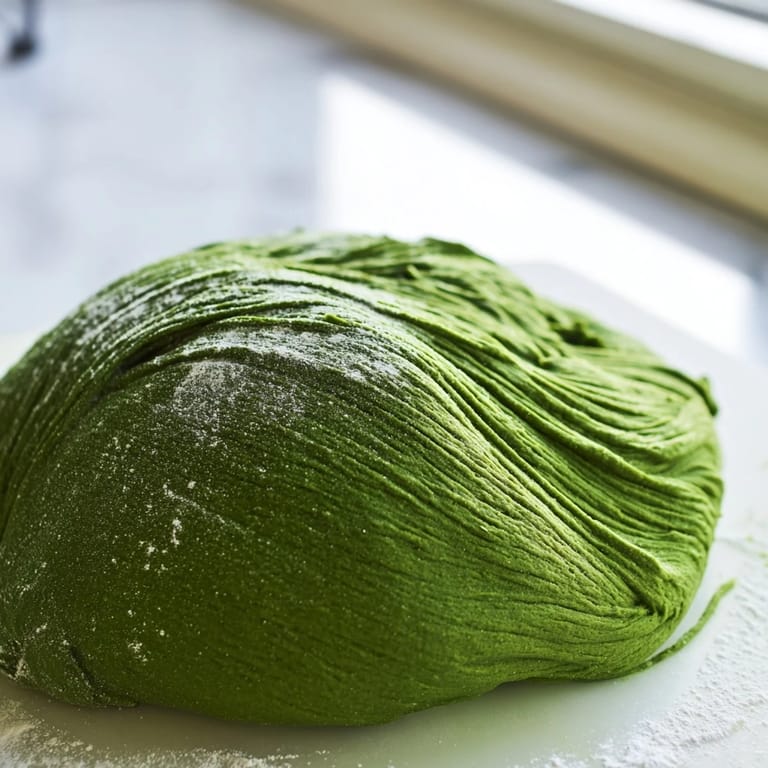
Save My kitchen counter was dusted with flour one Saturday morning when I noticed the bag of spinach I'd bought for salads starting to wilt. Rather than toss it, I remembered a chef once telling me that pasta dough is forgiving and loves color. I blanched the leaves, squeezed them dry, and worked them into my usual egg dough. The result was a batch of emerald ribbons that tasted faintly earthy and looked like something from a trattoria window.
I made this for a friend who swore she didn't like spinach, rolling the dough thin and cutting it into wide pappardelle. She twirled the ribbons around her fork, paused, and asked what made the pasta taste so good. When I told her, she laughed and said it didn't count if it was hidden inside carbs.
Ingredients
- Fresh baby spinach leaves (100 g): Baby spinach is tender and has a milder flavor than mature leaves, and blanching it briefly keeps the color vivid while removing any bitterness.
- Large eggs (2): Eggs bind the dough and add richness, and their golden yolks balance the green hue of the spinach beautifully.
- Italian 00 flour (200 g): This finely milled flour creates silky, elastic dough that rolls thin without tearing, and it's worth seeking out at specialty stores.
- Semolina flour (50 g, optional): Semolina adds a slight chew and helps the dough hold its shape during cutting and cooking, though you can skip it for a softer texture.
- Fine sea salt (½ tsp): Salt seasons the dough from within and strengthens the gluten structure, so don't leave it out even though it seems like a small amount.
Tired of Takeout? 🥡
Get 10 meals you can make faster than delivery arrives. Seriously.
One email. No spam. Unsubscribe anytime.
Instructions
- Blanch the spinach:
- Bring a saucepan of water to a rolling boil, then drop in the washed spinach leaves and let them wilt for just 30 seconds. Drain immediately, rinse under cold water to stop the cooking, and squeeze the leaves in a clean kitchen towel until they're as dry as possible, this step is crucial or your dough will be sticky.
- Puree the greens:
- Chop the spinach finely with a knife or blitz it in a food processor until it's a smooth, dark green paste. The finer it is, the more evenly it will color your dough.
- Build the flour well:
- Mound the 00 flour, semolina if using, and salt on a clean countertop, then use your fingers to create a wide well in the center, like a volcano crater. Make sure the walls are thick enough to hold the wet ingredients without breaking.
- Mix the wet ingredients:
- Crack the eggs into the well and add the spinach puree, then use a fork to beat them together gently. Gradually pull in flour from the inner walls, stirring in small circles until a shaggy, green flecked dough starts to form.
- Knead until smooth:
- Once the dough is too stiff to stir, use your hands to knead it for 8 to 10 minutes, folding and pressing until it becomes smooth, elastic, and slightly tacky. If it sticks to your hands, dust with a little flour, if it's crumbly, add a few drops of water.
- Rest the dough:
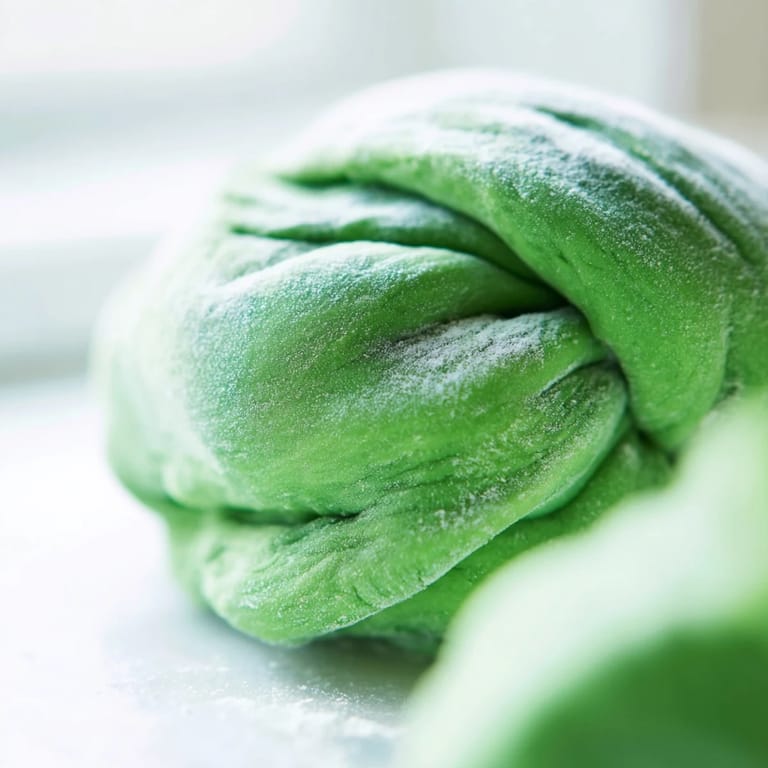
- Wrap the dough tightly in plastic wrap and let it rest at room temperature for 30 minutes. This allows the gluten to relax so the dough rolls out easily without snapping back.
- Roll and shape:
- Unwrap the dough and roll it through a pasta machine starting at the widest setting, folding and rolling several times, then gradually decrease the thickness until you reach your desired level. You can also use a rolling pin if you have patience and a strong arm.
- Cook fresh pasta:
- Bring a large pot of salted water to a boil and drop in your cut pasta, fresh dough cooks quickly, usually in just 1 to 2 minutes. Taste a strand to check for al dente, then drain and toss with your favorite sauce.
 Save
Save The first time I served this pasta at a dinner party, a guest asked if I'd used food coloring. When I explained it was just spinach, she leaned in and said it made her feel like she was eating something both indulgent and virtuous at the same time. That's exactly what good homemade pasta should do, it should make you feel a little bit proud.
Making It Ahead
I often make this dough the night before and wrap it tightly before tucking it into the fridge. The next day, I let it sit on the counter for about 10 minutes to lose its chill, and it rolls out even more smoothly than when it was fresh. You can also freeze cut pasta on a floured baking sheet until firm, then transfer it to a freezer bag and cook it straight from frozen, adding just an extra minute to the boiling time.
Flavor Variations
A pinch of nutmeg stirred into the flour adds a warm, subtle spice that plays beautifully with the spinach and butter sauces. I've also swapped half the 00 flour for whole wheat flour when I want a nuttier, heartier bite, though the dough becomes slightly less elastic. For a richer dough, some cooks add an extra egg yolk, which makes the pasta even more golden green and luxurious.
Shaping and Serving Ideas
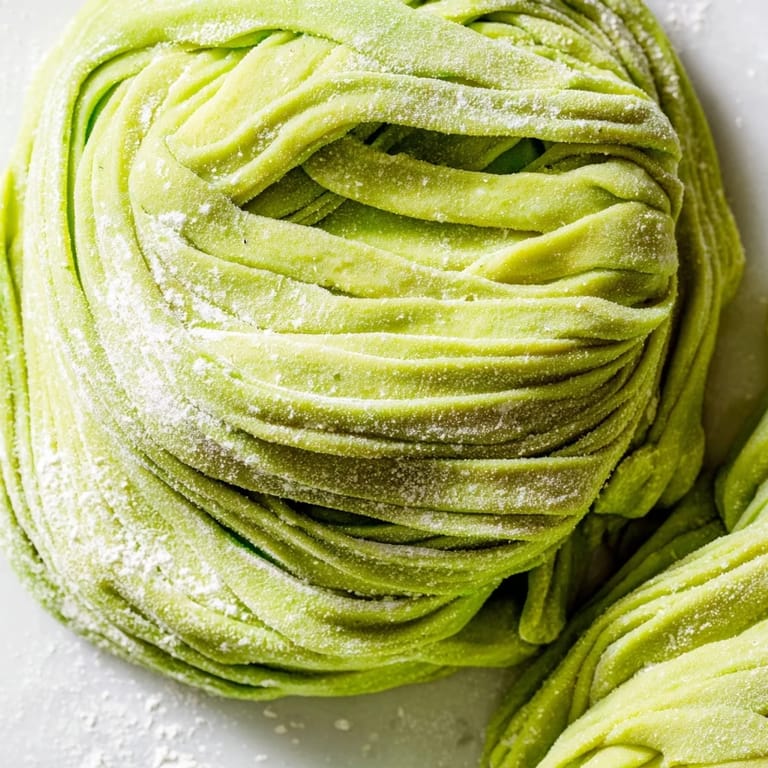
This dough works beautifully for wide pappardelle tossed with brown butter and sage, or delicate ravioli stuffed with ricotta and lemon zest. I've also cut it into lasagna sheets and layered it with bechamel and roasted vegetables, where the green layers make each slice look like a work of art. The color holds up well through cooking, so don't be shy about showing it off.
- Toss fettuccine with garlic, olive oil, and a handful of toasted pine nuts for a simple weeknight meal.
- Fill ravioli with a mixture of ricotta, parmesan, and a little lemon zest, then finish with brown butter.
- Use the dough for lasagna and alternate the green sheets with classic yellow pasta for a striped effect.
 Save
Save There's something deeply satisfying about pulling a sheet of jade green pasta through the rollers and watching it stretch into silk. It reminds me that cooking from scratch doesn't have to be complicated to feel like magic.
Recipe FAQ
- → Why is blanching spinach necessary before adding it to the dough?
Blanching wilts the spinach and allows you to squeeze out excess moisture, which is crucial for achieving the right dough consistency. Excess water would make the dough sticky and difficult to knead properly.
- → Can I use frozen spinach instead of fresh?
Yes, frozen spinach works well. Thaw it completely and squeeze out all moisture thoroughly before puréeing. You may need slightly less than the fresh spinach amount since frozen tends to be more concentrated.
- → What's the difference between 00 flour and semolina flour?
Italian 00 flour is finely milled and creates silky, tender pasta. Semolina is coarser with higher protein content, adding texture and preventing stickiness. Using both creates optimal texture and workability for hand-rolling.
- → How long can I store spinach pasta dough?
Wrapped tightly in plastic wrap, the dough keeps refrigerated for up to 24 hours. You can also freeze it for up to 3 months. Bring chilled dough to room temperature before rolling for easier handling.
- → Why is resting the dough important?
The 30-minute rest allows gluten strands to relax and hydrate, making the dough easier to roll and less likely to spring back. This step ensures silky, elastic dough that produces tender pasta.
- → How do I know when fresh pasta is cooked?
Fresh spinach pasta cooks in 1–2 minutes. It's ready when it floats to the surface and tastes tender but still has a slight firmness (al dente). Taste a piece to verify doneness rather than relying on timing alone.