 Save
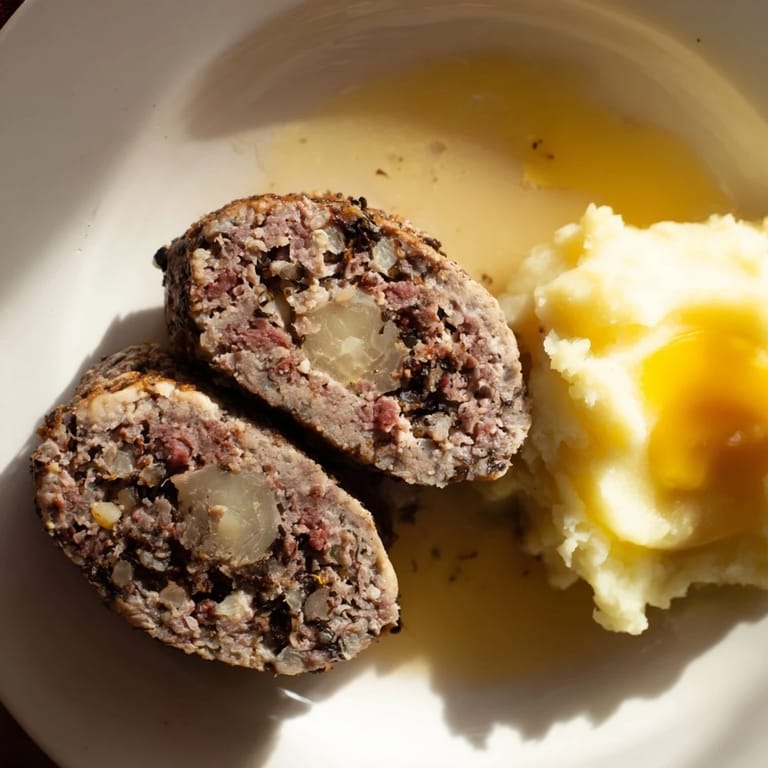
Save The first time I held a sheep's stomach in my hands, I'll admit, I hesitated. But my Scottish grandmother stood beside me in her kitchen, calm as anything, and said, "This is where the magic happens." That was ten years ago, and now when I make haggis, I understand what she meant—it's not about the ingredients being unusual; it's about honoring something ancient and real. Every spice, every bit of offal, every layer of this dish tells a story of resourcefulness and pride that runs through Scottish kitchens like a thread.
I remember the first time I served this to friends who'd never had haggis before—their skepticism melted the moment they tasted it. One guest asked for the recipe immediately, which made me prouder than I expected. It became our winter tradition after that, something we'd gather around on cold nights when everyone needed comfort food that felt like belonging.
Ingredients
- Sheep's heart, liver, and lungs (500 g): These create the foundation of authentic haggis—earthy, mineral-rich, and essential to the texture. If traditional offal feels too bold, lamb or beef mince works as a gentler substitute.
- Beef or lamb suet (200 g), finely chopped: This fat carries flavor and keeps the mixture tender; don't skip it or the haggis becomes dense and dry.
- Steel-cut oats, toasted (150 g): Toasting brings out a subtle nuttiness that balances the richness of the meat, and creates the slightly grainy texture that makes haggis distinctive.
- Onions (2 medium), finely chopped: These soften during cooking and add sweetness that grounds all those warm spices.
- Beef stock (250 ml): This brings everything together and keeps the mixture moist without making it mushy.
- Ground black pepper (1 tsp), ground coriander (1 tsp), ground nutmeg (1 tsp), ground allspice (½ tsp), and salt (1½ tsp): This spice blend is the soul of haggis—warm, slightly sweet, and unmistakably Scottish. Don't reduce or change them; they're balanced for a reason.
- Sheep's stomach or large sausage casing: The casing holds everything together and allows the mixture to expand slightly as it cooks, creating that perfect texture inside.
- Potatoes (500 g) and turnips (500 g), cubed, plus butter (50 g): Neeps and tatties are haggis's best friends—creamy and mild, they let the haggis shine without competing.
Tired of Takeout? 🥡
Get 10 meals you can make faster than delivery arrives. Seriously.
One email. No spam. Unsubscribe anytime.
Instructions
- Cook the offal gently until tender:
- Rinse the heart, liver, and lungs under cold water, then place them in a large pot and cover with cold water. Bring to a boil, then reduce to a gentle simmer for 1 to 2 hours—you're looking for meat so tender it falls apart when you poke it. This slow cooking mellows the intensity and makes mincing easy.
- Combine your base mixture:
- In a large bowl, mix your cooled, minced offal with the finely chopped suet, toasted oats, finely chopped onions, and optional ground meat. Stir until everything is evenly distributed—no pockets of just meat or just oats.
- Season and bind:
- Pour in your beef stock and add all the spices, mixing thoroughly until the mixture is moist and cohesive but not soupy. Taste a tiny pinch and adjust salt or spices if needed—this is your moment to make it exactly right.
- Fill the casing carefully:
- If using a sheep's stomach, rinse it well inside and out. Fill it loosely with the mixture, leaving about an inch at the top so it can expand slightly as it cooks; tie the opening with kitchen twine. If using a pudding basin or sausage casing, follow the same principle—fill loosely and don't overpack.
- Simmer gently for 2 hours:
- Place your filled haggis in a large pot of gently boiling water, making sure the water comes partway up the side but doesn't cover the top. Check every 30 minutes that the water level stays consistent, topping up with boiling water if needed. The haggis will swell slightly and darken as it cooks.
- Cook neeps and tatties separately:
- While the haggis simmers, boil the potatoes and turnips in separate pots until they're fork-tender, about 20 to 25 minutes. Drain them well, then mash each with a bit of butter and season generously with salt and pepper—they should be creamy and luxurious.
- Rest and serve:
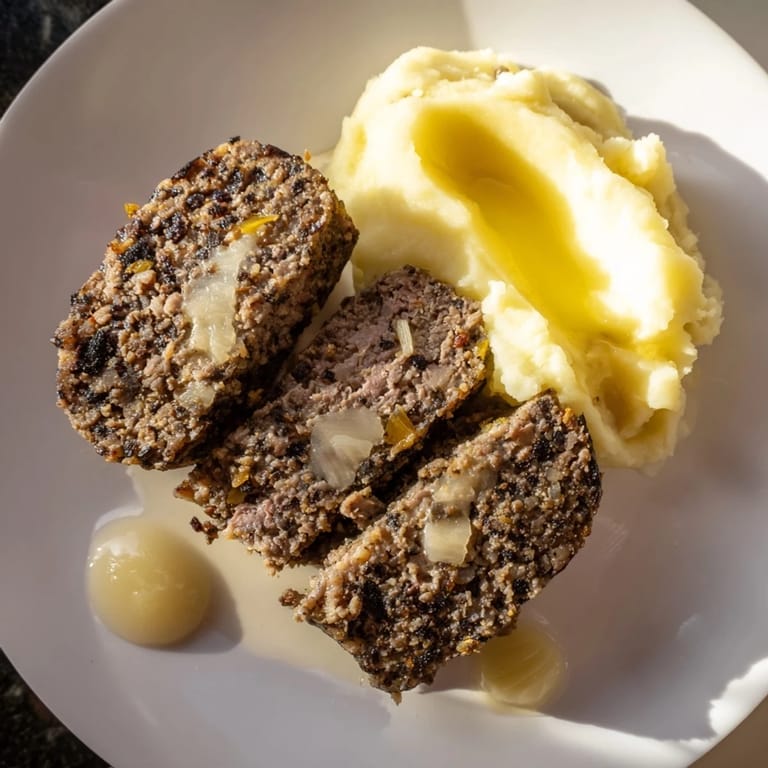
- Carefully remove the hot haggis from the pot and let it rest for a few minutes so it firms up slightly. Slice it open at the table if you can—there's something beautiful about that moment when everyone sees inside. Serve immediately with your warm neeps and tatties.
 Save
Save The moment when you slice into a perfectly cooked haggis and it stays together, steaming and fragrant, is oddly triumphant. My grandmother always said haggis teaches you something about courage and tradition in the same breath—and she was right.
About the Spices
The spice blend in haggis might seem unusual if you're used to meat dishes seasoned simply with salt and pepper, but each spice has a purpose. Coriander adds brightness and a subtle citrus note, nutmeg brings warmth and a hint of sweetness, and allspice ties everything together with complexity. Together, they create a flavor that's distinctive and memorable—not hot or aggressive, just deeply satisfying. I've tried reducing the spices to make it "milder," and every time I've regretted it; trust the proportions, because they've been perfected over generations.
Making It Your Own
If traditional offal feels too adventurous, you can substitute lamb and beef mince for the heart, liver, and lungs—it won't be strictly traditional, but it's still delicious and keeps the same spirit alive. Some Scottish families add a splash of whisky to the mixture, others make a whisky cream sauce to spoon over the top. There's even a vegetarian version made with mushrooms, lentils, and vegetable suet that's surprisingly hearty and satisfying. The beauty of haggis is that once you understand the structure—meat, fat, oats, spices, and moisture in the right balance—you can adjust it to what speaks to you.
The Accompaniments Matter
Neeps and tatties aren't just side dishes; they're essential to the experience, their mild creaminess a counterbalance to the haggis's spiced richness. I've learned that mashing them together slightly—so the flavors blend but the textures stay distinct—creates something even better. A proper whisky cream sauce, made by stirring a splash of Scotch whisky into sour cream or crème fraîche, elevates everything without overwhelming it.
- Always use separate pots for neeps and tatties so each develops its own flavor and texture.
- Mash them while hot so they're as creamy as possible, and don't skip the butter.
- If you make a whisky cream sauce, add it just before serving so it stays silky and doesn't separate.
 Save
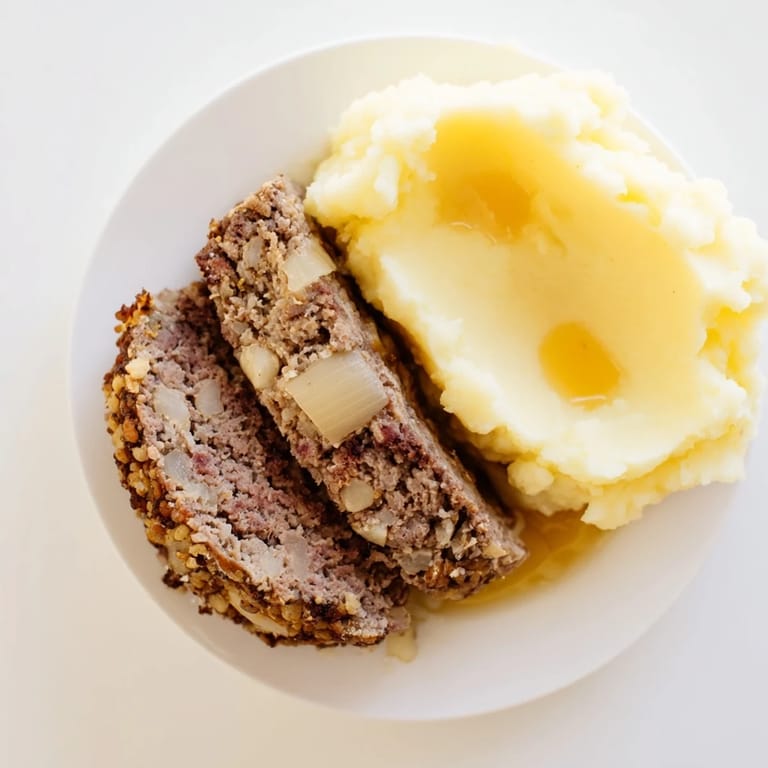
Save Haggis is proof that the most memorable food often comes from honest ingredients and time-honored technique, not complexity for its own sake. Once you've made it, you'll understand why it's survived centuries in Scottish kitchens.
Recipe FAQ
- → What type of meats are used in haggis?
Traditionally, a mix of sheeps heart, liver, and lungs are used, but substitutions like lamb or beef mince can also be incorporated for texture and flavor.
- → How is the dish cooked?
The mixture is filled into a cleaned sheep's stomach or pudding basin and simmered gently in boiling water for about two hours to cook slowly and develop flavors.
- → What sides typically accompany this Scottish dish?
It's customarily served with mashed neeps (turnips) and tatties (potatoes), often seasoned with butter, salt, and pepper for balance.
- → Can this traditional dish be made vegetarian?
Yes, meats can be replaced with pulses, mushrooms, and vegetable suet to create a vegetarian alternative while maintaining hearty texture.
- → Are there common seasonings used in preparing this dish?
Seasonings such as black pepper, coriander, nutmeg, allspice, and salt are blended to enhance the savory depth of the mix.
- → What is the purpose of steel-cut oats in the preparation?
Steel-cut oats act as a binder, adding texture and helping to absorb flavors while keeping the mixture moist during cooking.