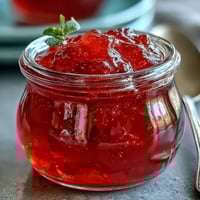
 Save
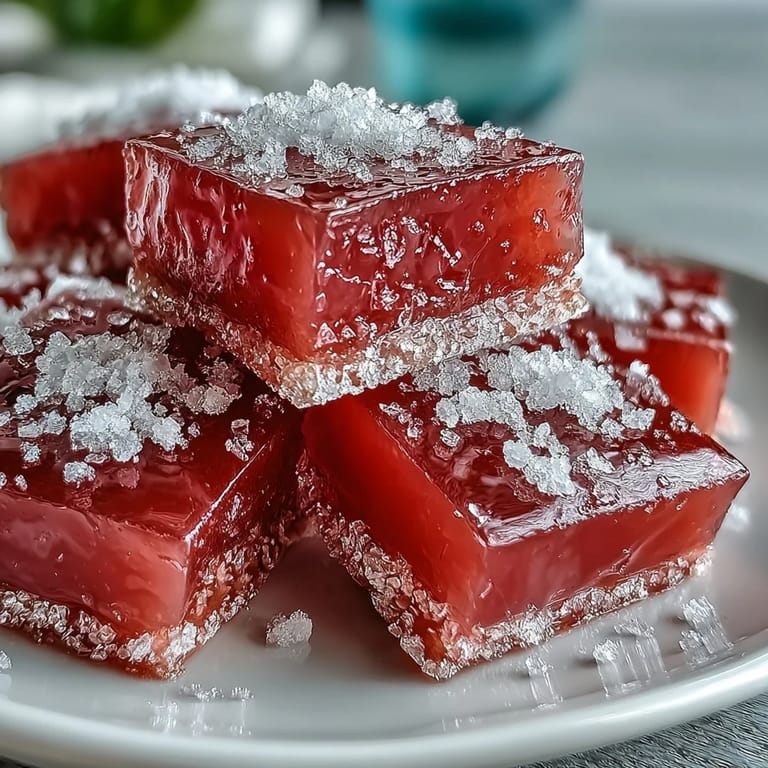
Save My aunt brought a small wooden box of guava cheese to a family gathering years ago, and I watched grown adults fight over the last piece like it was spun gold. That translucent, jewel-toned square melted on my tongue with a whisper of lime and butter, and I suddenly understood why this humble Goan confection has been passed down through generations. It's the kind of thing that seems impossibly simple until you actually make it, then you realize every minute of stirring and every careful measurement matters. The tropical perfume that fills your kitchen while it cooks is honestly worth the effort alone.
I made this for the first time when I was snowed in with my partner, and we stood at the stove together watching the pink puree transform into something glossy and dense. The kitchen smelled so intensely tropical that we both kept pausing to just breathe it in, commenting on how something so fragrant could possibly come from just fruit and sugar. By the time we poured it into the pan, we were already planning who we'd give the finished batch to, imagining their faces when they tasted something so unexpectedly good.
Ingredients
- Ripe guava (800 g or about 4 cups, peeled, deseeded, and chopped): This is everything—the color, flavor, and soul of your cheese. Pink guavas tend to be sweeter and more fragrant, but white varieties work beautifully too; just taste as you go and adjust sugar accordingly.
- Water (1/2 cup): Just enough to help the guava break down without making the final mixture watery.
- Granulated sugar (450 g or 2 1/4 cups): This isn't just sweetness; it's the preservative and structure-builder that transforms puree into set candy.
- Fresh lime juice (2 tbsp): The secret weapon that brightens the guava and prevents the sweetness from becoming cloying; don't skip this or use bottled if you can help it.
- Unsalted butter (2 tbsp, plus extra for greasing): Added near the end, it gives the finished cheese a silky, luxurious mouthfeel that lifts it from good to unforgettable.
- Superfine sugar (1/4 cup, optional): A fine coating if you want that jeweled appearance, though it's lovely either way.
Tired of Takeout? 🥡
Get 10 meals you can make faster than delivery arrives. Seriously.
One email. No spam. Unsubscribe anytime.
Instructions
- Prepare your pan:
- Butter an 8x8-inch square baking pan thoroughly, then line it with parchment paper, leaving some overhang on two sides—this makes lifting out your finished cheese so much easier. Having everything ready before you start cooking means you won't scramble when the mixture reaches that crucial moment of thickness.
- Soften the guava:
- Place your chopped guava and water in a heavy-bottomed saucepan and bring to a gentle simmer over medium heat, stirring occasionally. After about 15 minutes, the fruit should break down into a soft, pulpy mess that smells absolutely divine.
- Puree until silken:
- Blend the cooked guava until completely smooth, then push it through a fine sieve to catch any remaining seeds or fibrous bits. This step feels tedious but makes the final texture so much more elegant.
- Measure and combine:
- Measure out 2 cups of the puree and return it to your saucepan along with the sugar and lime juice. Stir well to combine before you turn on the heat.
- Cook with patience and presence:
- Set the heat to medium and stir constantly with a wooden spoon, watching as the mixture gradually darkens and thickens over 30 to 40 minutes. This is when you really need to pay attention—the transformation happens gradually, then suddenly, so keep tasting the edge of your spoon for that moment when it's thick enough to hold a shape but still silky.
- Add the butter at the finish:
- When the mixture pulls away from the sides of the pan and looks almost jam-like, remove it from heat and stir in the butter until everything looks glossy and luxurious. Return briefly to medium heat if needed to fully incorporate, stirring for just another minute.
- Transfer and smooth:
- Pour the hot mixture into your prepared pan immediately and use a spatula to smooth the top as much as possible. Don't overthink this part; it will set into a beautiful, even surface.
- Cool and set:
- Leave at room temperature for at least an hour, or until completely firm and cool to the touch. This is your patience checkpoint—rushing this step will give you a mess instead of neat, sliceable pieces.
- Cut and finish:
- Use the parchment overhang to lift the whole block out, then cut into 1-inch squares with a sharp knife (greasing it between cuts helps prevent sticking). Roll in superfine sugar if you'd like that jeweled finish, or leave plain for a more rustic look.
 Save
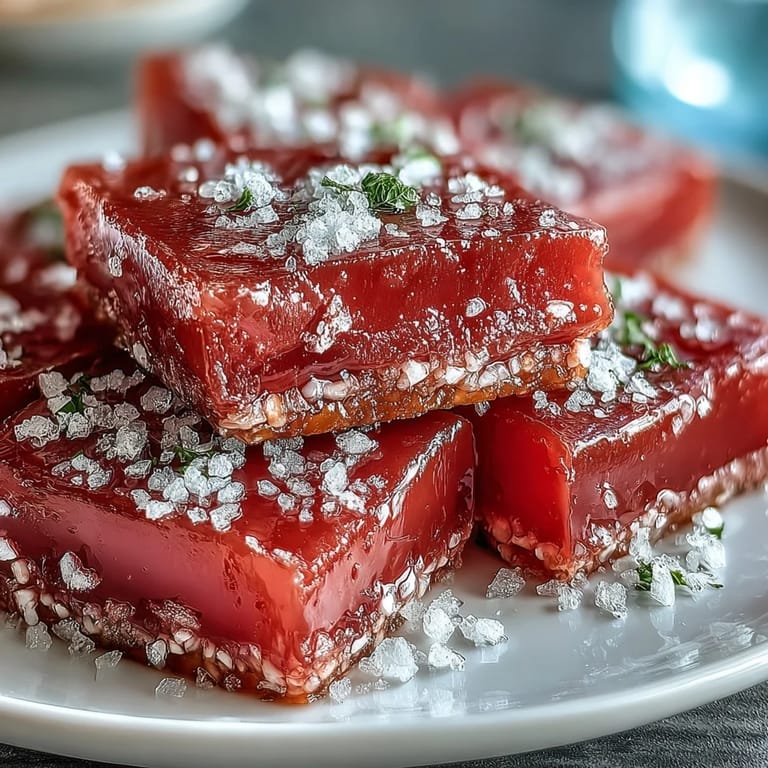
Save The first time someone I barely knew tasted my homemade guava cheese, they closed their eyes and said, "This tastes like someone's grandmother made it," which somehow felt like the highest compliment. I realized then that this confection is about more than technique; it's about care and attention, about knowing when to stir and when to let things breathe.
Understanding the Science
What's actually happening in your pan is a beautiful bit of kitchen magic: as the guava puree cooks down with sugar, moisture evaporates and pectin (a natural thickener in fruit) activates, transforming liquid into a set paste. The lime juice isn't just flavor—it's a preservative and a flavor balancer that prevents the sugar from overwhelming the delicate tropical notes. When you add butter at the end, you're emulsifying fat into the sugar structure, which creates that silky, luxurious texture that melts on your tongue instead of being grainy or tough.
Texture Variations for Your Taste
If you prefer a firmer, almost fudgy texture, extend the cooking time to 45 minutes and stir more aggressively toward the end—the mixture will pull away from the sides even more decisively. For something softer and more spoonable, reduce the cooking time to 30 minutes and you'll have a pâte that's closer to a thick jam. Some people like theirs almost chewy, others prefer it to snap cleanly when bitten; your stove's behavior and guava choice will influence this, so keep notes on what works for your kitchen.
Serving and Storing Wisdom
Guava cheese is at its best served as a small, satisfying bite with tea or coffee, either alongside soft cheese and crackers or simply on its own as a palate cleanser. It keeps beautifully in an airtight container at room temperature for up to two weeks, though it rarely lasts that long. The flavors deepen slightly as it sits, making it even better a day or two after you make it—if you can resist eating it all immediately.
- Pair it with soft cheeses like queso fresco, cream cheese, or a mild brie for an elegant dessert board.
- Wrap individual pieces in parchment and package them as gifts; homemade confections feel deeply personal in a way store-bought things never quite do.
- Store in a cool, dry place and avoid humidity, which can make the surface slightly tacky even though the interior stays perfect.
 Save
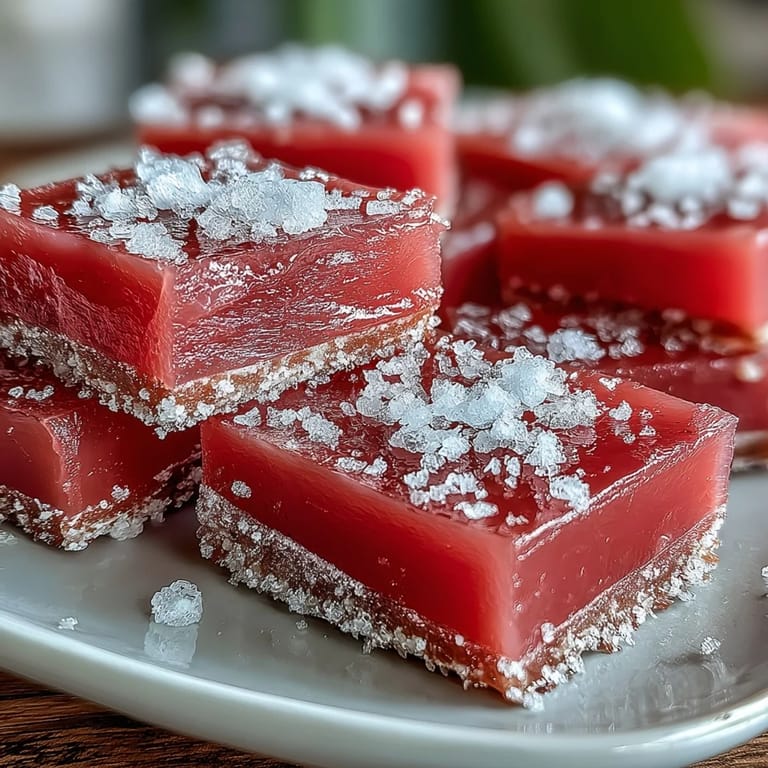
Save Making guava cheese connects you to a long line of home cooks who understood that the best confections are the ones made with care and time. There's something deeply satisfying about transforming five simple ingredients into something that tastes like it took professional skill.
Recipe FAQ
- → What makes guava cheese different from guava paste?
Guava cheese typically includes butter for richness and lime juice for brightness, creating a more complex flavor profile than traditional guava paste. The texture is also slightly softer and more pliable.
- → Can I use white guava instead of pink?
Yes, white guava works beautifully. The final color will be amber rather than pink, but the flavor and texture remain equally delicious and fragrant.
- → How do I know when the mixture is ready?
The mixture is ready when it thickens noticeably, pulls away from the sides of the pan, and forms a mass that holds its shape. A spatula drawn through should leave a clean trail.
- → Why add butter at the end of cooking?
Adding butter in the final minutes enriches the confection, creating a glossy finish and adding depth of flavor. It also helps prevent the mixture from sticking during shaping.
- → Can I make this dairy-free?
Yes, substitute the butter with vegan butter or coconut oil. The texture and setting properties remain similar, though the flavor profile may shift slightly.
- → Why strain the puree through a sieve?
Straining removes any remaining seeds or fibrous bits, ensuring an ultra-smooth, professional texture. This step is crucial for achieving the silkiest finish.