 Save
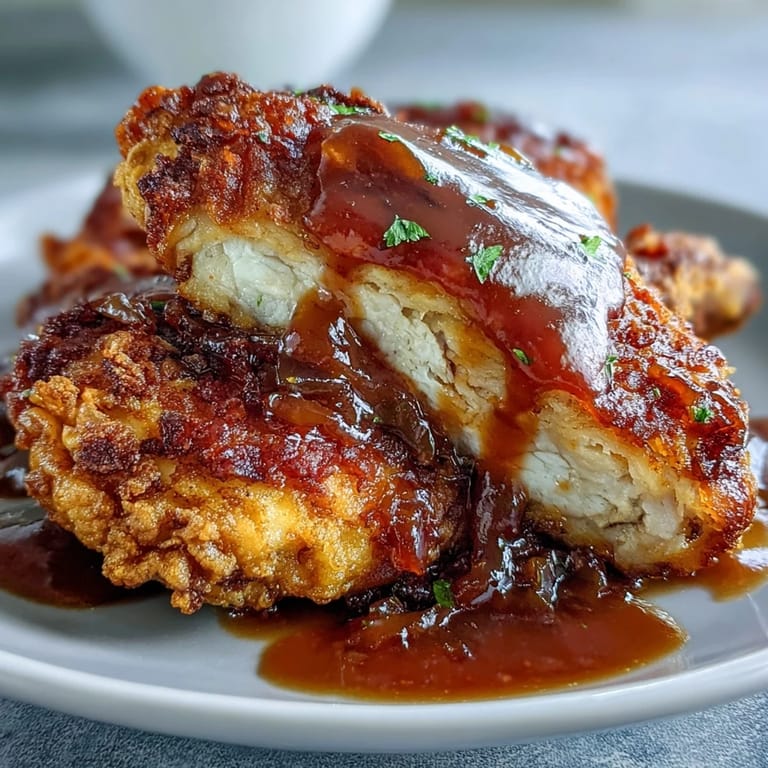
Save My grandmother's kitchen always smelled like caramelizing onions and seasoned chicken skin hitting hot oil, a sound that meant Sunday dinner was about to happen. She never wrote down her smothered chicken recipe, just worked from memory and instinct, adjusting the gravy thickness by feel rather than measurement. The first time I tried to recreate it on my own, I rushed the onions and ended up with a thin, watery sauce that disappointed us both. But that failure taught me patience, and now when I make this dish, I understand why she spent so much time coaxing those onions golden—that's where the soul of this meal lives. It's comfort in a skillet, the kind of food that makes people sit longer at the table.
I made this for my partner's family gathering without warning anyone it was happening, and I remember the kitchen filled with that unmistakable sound of people genuinely enjoying their food—quiet chewing, satisfied sighs, forks scraping plates. Someone asked if I'd trained professionally, which made me laugh because the whole thing came together in about an hour from start to finish. That moment, watching familiar faces light up over something I'd made with my own hands, that's when this recipe stopped being just instructions and became something I wanted to perfect.
Ingredients
- Bone-in, skin-on chicken thighs and drumsticks (8 pieces total): The bones and skin are non-negotiable here—they add flavor and keep the meat moist during the long simmer, plus that crispy skin is honestly half the reward.
- Salt, black pepper, paprika, garlic powder, onion powder: This seasoning blend is your first layer of flavor, and I learned the hard way not to be shy with it on the raw chicken.
- All-purpose flour for breading: Use a shallow bowl and don't be afraid to really coat each piece; some flour will shake off, and that's fine.
- Vegetable oil for frying: Keep it at a steady medium heat so the chicken colors evenly without burning the outside before the inside cooks.
- Large yellow onions (2, thinly sliced): The thickness of your slices matters more than you'd think—aim for about quarter-inch so they cook down but still hold their shape.
- All-purpose flour for the gravy: This is separate from your breading flour, and measuring it out beforehand saves you from that panicked moment mid-cooking.
- Low-sodium chicken broth (2 cups): Low-sodium is key because you're seasoning the gravy yourself and don't want it to end up salty.
- Dried thyme, paprika, salt, black pepper, unsalted butter: The butter goes in last and makes the gravy silky; the thyme is optional but it whispers something special into the background.
Tired of Takeout? 🥡
Get 10 meals you can make faster than delivery arrives. Seriously.
One email. No spam. Unsubscribe anytime.
Instructions
- Dry and season the chicken:
- Pat your chicken pieces dry with paper towels—this step sounds small but it's what lets the skin get golden instead of steamed. Season all sides generously with salt, pepper, paprika, garlic powder, and onion powder, getting into every crevice.
- Prepare your breading station:
- Mix flour, salt, and pepper in a shallow bowl and dredge each chicken piece thoroughly, shaking off the excess. Save that remaining flour; you'll use it to thicken the gravy.
- Get the oil hot and fry the chicken:
- Heat your vegetable oil over medium heat until it shimmers slightly, then place chicken skin-side down and fry for 6 to 8 minutes until deep golden. Flip and cook the other side for another 6 to 8 minutes, then transfer to a clean plate—it won't be fully cooked yet, and that's exactly what you want.
- Caramelize the onions slowly:
- Pour off all but 2 tablespoons of oil from the skillet and add your sliced onions. Cook over medium heat, stirring frequently, for 8 to 10 minutes until they're golden and soft enough to break apart with your spoon.
- Make your roux and build the base:
- Sprinkle the reserved flour over the onions and stir constantly for 1 to 2 minutes until you smell toasted flour and see light brown color. This is where the deeper flavor comes from, so don't skip this step or rush it.
- Whisk in the broth and season:
- Gradually pour in the chicken broth while whisking constantly, scraping up all those golden bits stuck to the bottom of the pan. Add thyme, paprika, salt, pepper, and butter, stirring until the butter melts and the gravy thickens slightly, about 2 to 3 minutes.
- Braise the chicken in gravy until tender:
- Nestle the chicken pieces into the gravy, skin-side up, and spoon some gravy over the top. Cover the skillet, reduce heat to low, and let it simmer for 25 to 30 minutes until the chicken is fall-off-the-bone tender and registers 165°F on a meat thermometer.
- Serve with generosity:
- Plate each piece with a spoonful of that rich, oniony gravy and watch it pool onto whatever starch you're serving alongside it.
 Save
Save There was an afternoon when my neighbor stopped by unexpectedly just as I was stirring the gravy, and I invited her to stay for dinner without thinking twice. She sat at my kitchen table and told me stories about her own mother's cooking while we waited for the chicken to finish simmering, and I realized that food like this is really about permission—permission to slow down, to feed people generously, to let a simple meal become an event.
Why This Dish Works
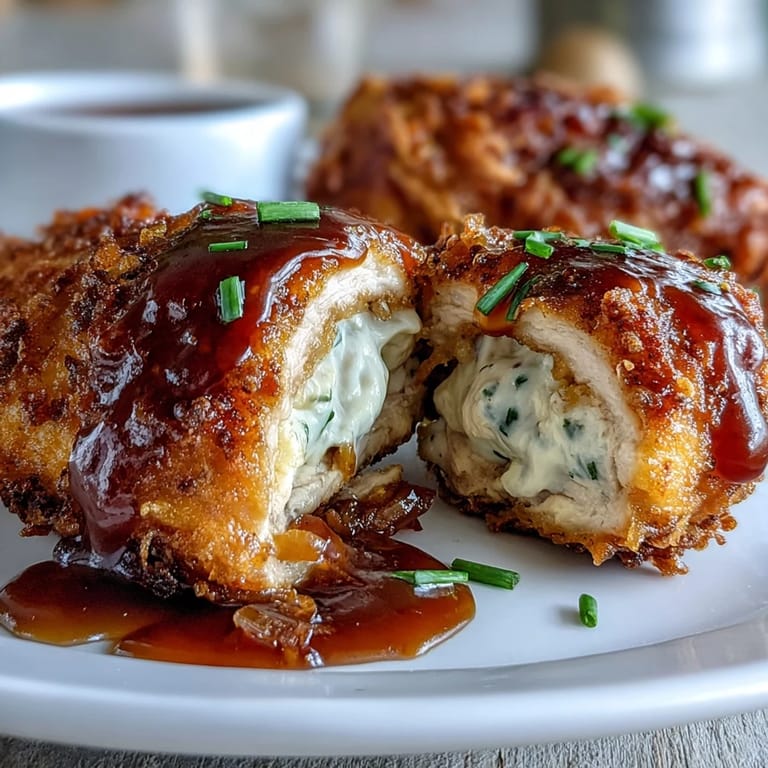
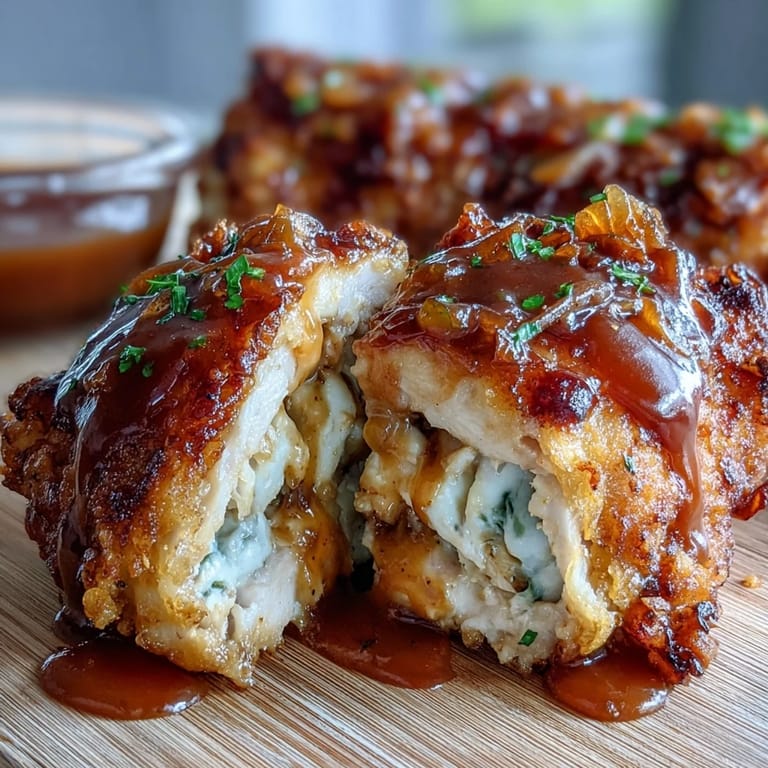
The magic is in the contrast: crispy skin against tender meat, caramelized onions against a silky gravy, and all of it demanding your attention for just long enough that you can't rush it. There's no way to fake this dish or cut corners without tasting it in the final result, which is maybe why it feels so honest. When you serve it, people understand immediately that you've taken care, and somehow that care translates into flavor.
Serving and Pairing
Mashed potatoes are the classic partner here—creamy and bland enough to balance the rich gravy without competing with it. Rice works too if you want something lighter, or collard greens if you're leaning fully into the Southern tradition. I've learned that it doesn't really matter what you serve alongside it, as long as there's something to soak up that gravy, because leaving any of it on the plate feels like a small tragedy.
Making It Your Own
This recipe is forgiving enough to adapt to what you have on hand, but thoughtful enough to teach you something about cooking fundamentals if you follow it closely first. Once you've made it a few times, you'll notice where you like more thyme or less pepper, whether you prefer your onions with a little more bite or fully dissolved into the gravy. That's when it stops being a recipe and starts being yours.
- If you only have boneless, skinless chicken, reduce the simmering time to 15 to 20 minutes since there's no bone to keep the meat moist.
- A pinch of cayenne in the flour mixture adds heat without changing the character of the dish, perfect if your family leans spicy.
- Homemade stock makes a noticeably richer gravy, so save your chicken bones in the freezer for next time.
 Save
Save This is the kind of dish that reminds you why people gather around tables in the first place. Make it once, and it becomes something you'll want to repeat, season after season.
Recipe FAQ
- → What type of chicken is best for this dish?
Bone-in, skin-on chicken thighs and drumsticks are ideal as they remain juicy and develop crisp skin when pan-fried.
- → Can I use boneless chicken instead?
Yes, boneless skinless pieces can be used but reduce simmering time by about 10 minutes to avoid overcooking.
- → How do you achieve the rich flavor in the onion gravy?
Slowly caramelizing thinly sliced onions before adding broth and spices creates a deep, savory base for the gravy.
- → What sides pair well with smothered chicken and onion gravy?
Classic sides include mashed potatoes, rice, or collard greens, which complement the savory gravy and tender chicken.
- → Is it necessary to use all the listed seasonings for the chicken?
The blend of salt, black pepper, paprika, garlic, and onion powder provides balanced flavor, but you can adjust spices to taste.