 Save
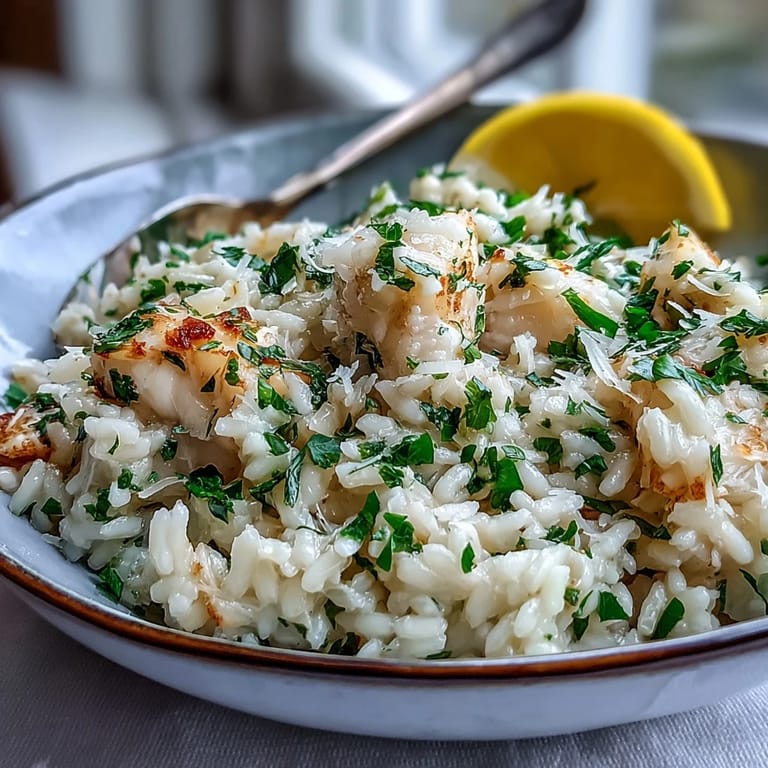
Save The smell of smoked haddock simmering in milk always brings me straight back to a rainy Tuesday evening when I had absolutely nothing planned for dinner. I'd bought the fish on impulse at the market, drawn in by its pale golden color and the promise of something different. Standing in my kitchen with a block of Arborio rice I'd been saving for months, I decided to just go for it. The result was so unexpectedly comforting that I've made it at least once a month ever since. It's become my go-to when I want something that feels both humble and a little bit special.
I once made this for a friend who swore she didn't like risotto because it was too rich and heavy. She had two helpings and texted me the next day asking for the recipe. There's something about the smoked haddock that keeps it from feeling too indulgent, the fish is delicate and the lemon zest cuts through the creaminess in the best way. We ate it straight from the pan with crusty bread and a bottle of cold white wine, and I remember thinking that sometimes the best meals are the ones you didn't plan at all. It's become one of those dishes I make when I want to remind someone that good food doesn't have to be complicated.
Ingredients
- Smoked haddock fillets: Look for undyed fillets, the bright yellow ones are just food coloring and the natural pale kind has a much more delicate, authentic flavor.
- Whole milk: This is what you poach the fish in, and it becomes part of the risotto base, adding a subtle creaminess and absorbing all that smoky goodness.
- Fish or vegetable stock: Keep it hot in a separate pan so it doesn't cool down the rice when you add it, which would slow the cooking and mess with the texture.
- Arborio or Carnaroli rice: The high starch content is what makes risotto creamy, so don't swap it for long grain or you'll just end up with soupy rice.
- Onion, garlic, and leek: This trio builds a sweet, aromatic base that supports the fish without overpowering it, and the leek adds a gentle oniony flavor that feels very British.
- Butter and olive oil: The combination gives you richness and flavor, and that final knob of butter at the end is what makes the risotto glossy and restaurant quality.
- Parmesan cheese: Freshly grated is a must, the pre-grated stuff doesn't melt the same way and can make the risotto grainy instead of creamy.
- Flat-leaf parsley and lemon zest: These bring brightness and freshness that balance the smokiness and keep the dish from feeling too heavy.
- Black pepper and sea salt: The haddock is already salty, so taste before you add more salt or you'll ruin it.
Tired of Takeout? 🥡
Get 10 meals you can make faster than delivery arrives. Seriously.
One email. No spam. Unsubscribe anytime.
Instructions
- Poach the haddock:
- Place the smoked haddock in a saucepan with the milk and bring it to a gentle simmer, just tiny bubbles around the edge. Let it poach for 5 to 7 minutes until the fish flakes easily, then lift it out with a slotted spoon, set it aside to cool slightly, and flake it into big chunky pieces.
- Start the risotto base:
- Heat the olive oil and butter in a large heavy-based pan over medium heat, then add the onion, leek, and garlic and cook them gently for about 5 minutes until they're soft and translucent but not browned. You want them sweet and mild, not caramelized.
- Toast the rice:
- Stir in the Arborio rice and let it cook for a minute or two, stirring constantly, until the grains start to look translucent around the edges and smell faintly nutty. This step makes a big difference in the final texture.
- Add the poaching milk:
- Pour in the reserved milk from poaching the fish and stir it gently until it's mostly absorbed. The rice will drink it up quickly and you'll start to see the creamy texture developing.
- Ladle in the stock:
- Add the hot stock one ladle at a time, stirring frequently and waiting until each addition is absorbed before adding the next. This takes about 20 minutes and you'll know it's done when the rice is creamy and tender but still has a slight bite in the center.
- Finish with fish and flavorings:
- Gently fold in the flaked haddock, grated Parmesan, lemon zest, and chopped parsley, being careful not to break up the fish too much. Taste it, season with black pepper and a little salt if needed, and stir in an extra knob of butter if you want it even richer.
- Rest and serve:
- Take the pan off the heat, cover it with a lid, and let it rest for 2 minutes so everything settles and melds together. Serve it immediately while it's still creamy and loose.
 Save
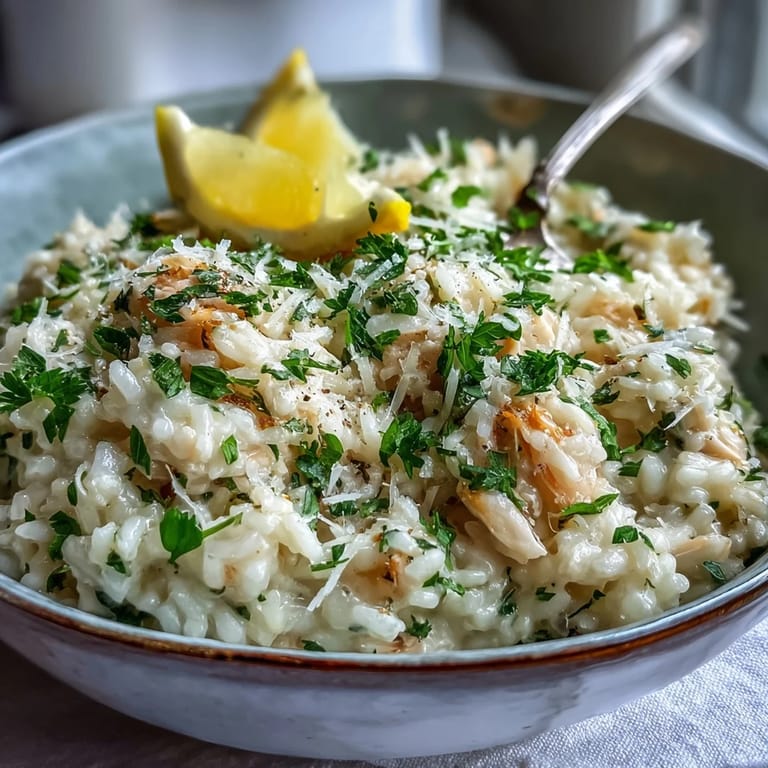
Save One evening I made this for my dad, who's never been much of a fish person unless it's battered and fried. He was skeptical at first, eyeing the flakes of haddock like they might bite back, but after the first forkful he went quiet in that way people do when they're actually enjoying something. By the end of the meal he'd scraped his bowl clean and asked if there was any left in the pan. That's when I knew this recipe was a keeper, when it can win over even the reluctant eaters.
How to Pick the Right Haddock
Look for fillets that are firm, glossy, and pale ivory or light gold in color, never bright neon yellow. The dye doesn't add flavor, it's just there to make cheaper fish look fancier, and it can leave a slightly bitter aftertaste. If you can't find smoked haddock, smoked cod works just as well, though it's a bit meatier and less delicate. Some fishmongers sell it with the skin on, which is fine, just peel it off after poaching when it slides away easily.
What to Do with Leftovers
Risotto doesn't reheat perfectly because the rice keeps absorbing liquid and can turn gluey, but you can bring it back to life with a splash of stock or milk in a pan over low heat. I've also made risotto cakes by shaping cold leftovers into patties, coating them in breadcrumbs, and pan-frying them until crispy, which is honestly just as good as the original dish. Another trick is to thin it out with extra stock and turn it into a creamy fish soup, adding a handful of spinach or peas for color.
Pairing and Serving Ideas
This risotto is rich enough to serve on its own, but a simple green salad with a sharp lemon vinaigrette cuts through the creaminess beautifully. I like to finish each bowl with a few extra shavings of Parmesan and a grind of black pepper, plus a small handful of fresh parsley if I have it. A crisp Sauvignon Blanc or dry Riesling is perfect alongside, something with enough acidity to balance the richness without overpowering the delicate smokiness of the fish.
- Serve with crusty sourdough or a warm baguette for mopping up every last bit.
- Add a handful of peas or asparagus tips in spring for extra color and sweetness.
- Swap the parsley for dill if you want a more Scandinavian flavor profile.
 Save
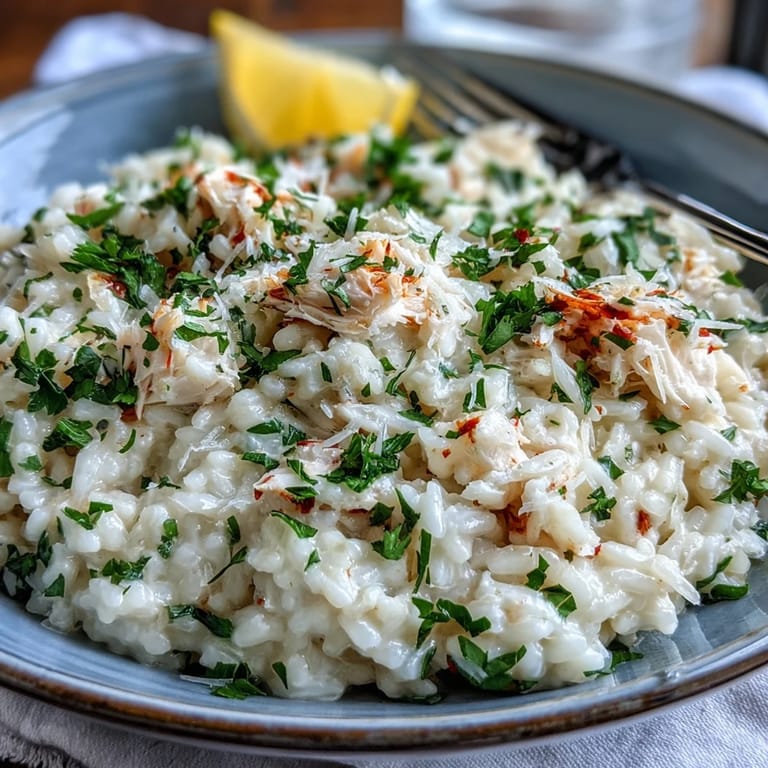
Save This dish has become one of my favorites for those nights when I want something comforting but not too heavy, something that feels like a treat without requiring hours in the kitchen. I hope it becomes one of yours too.
Recipe FAQ
- → Can I use fresh haddock instead of smoked?
Yes, but you'll lose the distinctive smoky flavor that defines this dish. If using fresh haddock, consider adding a pinch of smoked paprika or using smoked salt to maintain some smoky notes.
- → What can I substitute for Arborio rice?
Carnaroli or Vialone Nano rice work beautifully as they have similar starch content. Avoid long-grain rice as it won't create the characteristic creamy texture essential to risotto.
- → How do I know when the risotto is done?
The rice should be al dente—tender with a slight bite in the center. The texture should be creamy and flow slowly when spooned onto a plate, not stiff or soupy.
- → Can I make this ahead of time?
Risotto is best served immediately, but you can prepare it up to step 5, undercooking slightly. Spread on a tray to cool, then reheat gently with extra stock, adding the fish and finishing ingredients just before serving.
- → Why use the poaching milk in the risotto?
The milk absorbs smoky flavors from the haddock during poaching, infusing the rice with extra depth. It also adds creaminess and helps create the signature risotto texture.
- → What wine pairs best with this dish?
A crisp Sauvignon Blanc or dry Riesling complements the smoky fish beautifully. The wine's acidity cuts through the creaminess while enhancing the delicate seafood flavors.