 Save
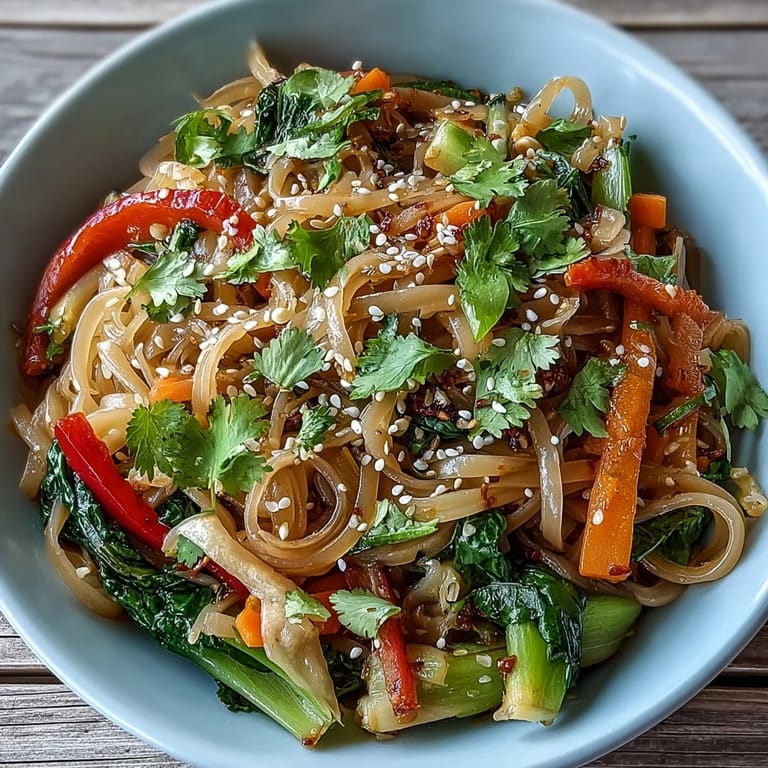
Save One Tuesday evening, I stood in my kitchen staring at a box of shirataki noodles I'd bought weeks earlier, unsure what to do with them. My friend had raved about her low-carb noodle bowls, and I was curious but skeptical. That night, I threw together whatever vegetables were lingering in my crisper drawer, made a quick ginger sauce from memory, and discovered something unexpectedly delicious: a bowl that felt indulgent and satisfying without the heaviness I'd expected.
I made this for my sister when she was experimenting with cutting back on carbs, and I watched her expression shift from polite skepticism to genuine surprise as she took that first bite. The way the warm noodles mingled with the crisp vegetables and that gingery-sesame sauce—it felt like proof that healthy eating didn't have to taste like punishment. She's made it at least twice a week since then.
Ingredients
- Shirataki noodles: These translucent, nearly calorie-free noodles have a unique bouncy texture that takes some getting used to, but they're absolutely worth the adjustment—just make sure to rinse and boil them properly or they'll have a fishy smell that'll ruin everything.
- Bok choy: The tender leaves wilt just enough in the heat, adding earthiness and body without overpowering the other flavors.
- Red bell pepper: Sliced thin so it stays crisp and sweet, cutting through the richness of the sesame oil beautifully.
- Snow peas: They keep their snap if you don't overcook them, which matters more than you'd think in a dish like this.
- Carrot: Julienned fine so it cooks quickly and adds a little natural sweetness that balances the ginger and heat.
- Green onions: Added at the end for a sharp, fresh bite that keeps the whole bowl feeling bright.
- Tamari or gluten-free soy sauce: The umami backbone—use good quality if you can, the difference is noticeable.
- Rice vinegar: A splash of acidity that lifts everything and prevents the sauce from tasting flat or one-note.
- Toasted sesame oil: Use the small amount called for; it's potent and easily overwhelms if you're not careful.
- Fresh ginger: Grate it just before making the sauce so you get all that bright, volatile flavor instead of something muted.
- Garlic: Just one clove keeps it subtle so the ginger stays the star.
- Maple syrup: Optional but worth the tiny drizzle—it rounds out the sharp edges without making anything taste sweet.
- Chili flakes: A whisper of heat that sneaks up on you in the best way.
- Sesame seeds: Toasted for nuttiness, scattered on top for texture and richness.
- Fresh cilantro or basil: Either one works, but cilantro feels more authentic to the flavor profile.
Tired of Takeout? 🥡
Get 10 meals you can make faster than delivery arrives. Seriously.
One email. No spam. Unsubscribe anytime.
Instructions
- Prepare the noodles:
- Drain your shirataki noodles and rinse them under cold running water—this step matters more than you'd think because it removes that funky liquid they're packed in. Boil them for just 2 minutes in plain water, then drain and pat completely dry with paper towels so they don't dilute your sauce.
- Make the ginger sauce:
- In a small bowl, whisk together tamari, rice vinegar, sesame oil, freshly grated ginger, minced garlic, maple syrup if using, and chili flakes. The sauce should smell bright and lively, not muted or flat—if it does, your ginger probably isn't fresh enough.
- Stir-fry the firm vegetables:
- Heat a large skillet or wok over medium-high heat until it's really hot. Add the carrot, bell pepper, and snow peas, tossing them constantly for 2 to 3 minutes until they soften just slightly but still have real crunch left. You'll know they're ready when you can easily pierce them with a fork but they still resist a little.
- Add the tender vegetables:
- Toss in the bok choy and green onions, stirring for another minute or two until the bok choy starts to soften at the edges. Don't walk away—the whole thing cooks fast and you want to catch it before it becomes mushy.
- Combine everything:
- Add the dried shirataki noodles to the pan, pour the ginger sauce over everything, and toss constantly for 2 to 3 minutes until the noodles are heated through and coated evenly with sauce. The whole bowl should smell intensely of ginger and sesame.
- Serve:
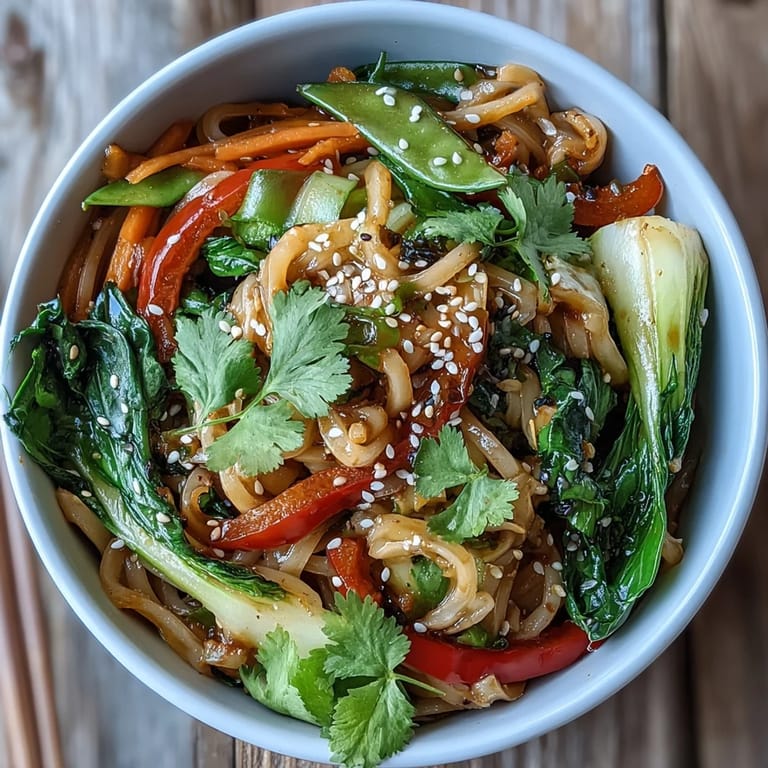
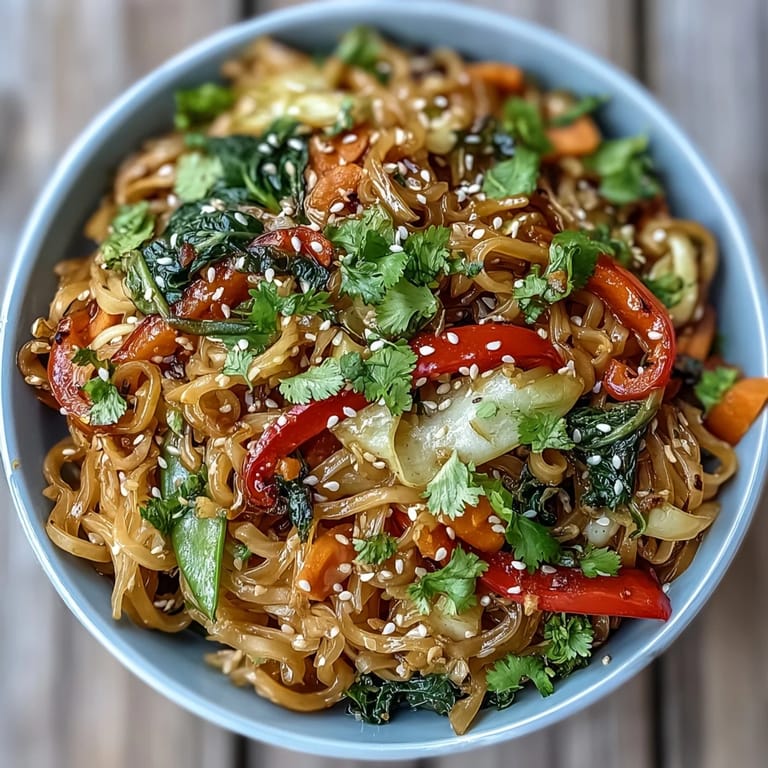
- Divide between two bowls and scatter sesame seeds and fresh herbs on top while everything is still warm. Eat it immediately so the vegetables stay crisp.
 Save
Save There's a moment when you toss everything together in the pan and the kitchen fills with that heady smell of ginger and toasted sesame, and suddenly you understand why people get excited about cooking their own food. That's when this bowl stopped being a diet meal and became something I actually wanted to make for pleasure.
Why Shirataki Noodles Work Here
The first time I tried shirataki noodles on their own, I wasn't convinced—they're texturally strange and need the right treatment to shine. But in this bowl, with a bold sauce and plenty of crisp vegetables for contrast, their bouncy, slightly chewy quality becomes an asset rather than a liability. They absorb the ginger sauce without getting soggy, and they let the other flavors take center stage instead of demanding attention themselves.
Making It Your Own
The beauty of this bowl is that it's genuinely flexible—you're not locked into these exact vegetables. I've made it with broccoli and mushrooms on nights when those were what I had, and it was just as satisfying. The sauce is where the real magic lives, so as long as you nail that ginger-sesame balance, you can experiment freely with what goes around it. A squeeze of fresh lime juice at the end is my most consistent addition, brightening everything right before I eat.
Building Protein and Flavor
On its own, this is a light bowl—which some people love and others find too minimal for a main course. I've started keeping cooked shrimp in my freezer specifically for nights when I want more substance without cooking extra, but grilled tofu or tempeh are equally easy shortcuts. Sometimes I'll poach an egg and slide it on top, letting the warm yolk become part of the sauce as I eat. The possibilities are endless if you think about what proteins you actually enjoy eating.
- Grilled tofu or tempeh adds heartiness while staying true to the Asian flavor profile.
- A handful of cooked shrimp transforms this into something restaurant-worthy without extra work.
- Hard-boiled eggs are a sneaky way to add protein and richness to something that feels light.
 Save
Save This bowl has become my go-to when I want to eat something that feels nourishing and intentional but takes almost no time or energy. That's the real magic of it—not restriction, just genuine satisfaction.
Recipe FAQ
- → What do shirataki noodles taste like?
Shirataki noodles have a very mild, neutral flavor that absorbs the tastes of sauces and seasonings. Their texture is slightly gelatinous and chewy, similar to glass noodles. Proper rinsing and drying before cooking helps achieve the best consistency.
- → Can I meal prep this bowl?
Yes, this dish meal preps well. Store noodles and vegetables separately from the sauce, then combine when ready to eat. The vegetables stay crisp for 2-3 days in the refrigerator. Reheat gently in a skillet or enjoy cold.
- → Is this suitable for keto diets?
Absolutely. With only 10g carbohydrates per serving, this bowl fits perfectly into low-carb and ketogenic eating plans. Shirataki noodles are virtually carb-free, making them an excellent pasta alternative.
- → How can I add more protein?
Grilled tofu, tempeh, edamame, or cooked shrimp work beautifully as protein additions. For plant-based options, try crispy baked tofu or marinated tempeh slices. Add these during the final 2-3 minutes of cooking.
- → Can I use other vegetables?
Certainly. Broccoli florets, sliced mushrooms, snap peas, shredded cabbage, or zucchini noodles all work wonderfully. The key is maintaining a mix of colors and textures while keeping vegetables crisp-tender.
- → What can substitute for tamari?
Coconut aminos make an excellent soy-free substitute with a slightly sweeter profile. Regular soy sauce works if you don't need gluten-free restrictions. Adjust quantities to taste as each alternative varies in saltiness.