 Save
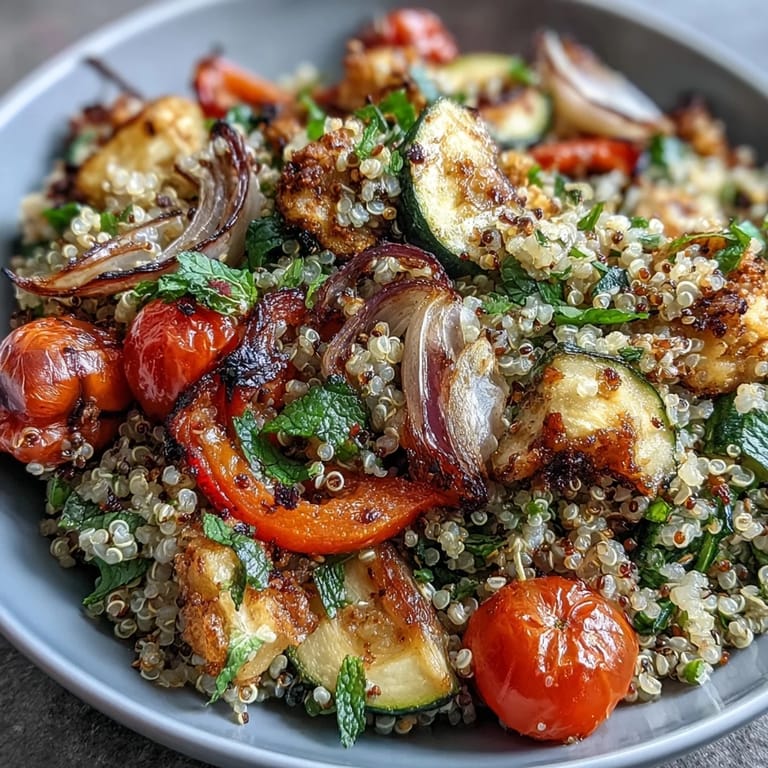
Save There was this Tuesday afternoon when my friend showed up at my door complaining about being stuck in a lunch rut, and I had a half-full container of quinoa in my pantry and some sad vegetables that needed rescuing. We started chopping, roasting, and within forty-five minutes we were eating something so bright and alive that she asked for the recipe before finishing her plate. That's when I realized this pilaf wasn't just about nutrition, though it absolutely delivers on that front, it was about taking whatever you had and turning it into something that made you feel genuinely good.
I made this for a potluck once and watched someone who claimed they didn't like quinoa go back for seconds, then ask if it was the lemon or the mint doing all the heavy lifting. It became a running joke because neither of us could pinpoint the exact moment it stopped being virtuous and started being genuinely craveable.
Ingredients
- 1 cup quinoa, rinsed: Rinsing removes the natural bitter coating and keeps the grains separate and fluffy instead of mushy.
- 2 cups vegetable broth or water: Broth adds flavor, but water works just fine if that's what you have.
- 1 small red bell pepper, diced: Red peppers are sweeter than green ones and turn glossy when roasted, adding visual pop and depth.
- 1 small zucchini, diced: Cut pieces roughly the same size so everything roasts evenly without some vegetables turning to mush.
- 1 small carrot, peeled and diced: Carrots take longer to soften than other vegetables, so keeping them bite-sized helps them finish cooking with the rest.
- 1 small red onion, diced: The slight sharpness of red onion balances the sweetness of roasted vegetables and adds color.
- 1 cup cherry tomatoes, halved: Halving them exposes more surface area, which caramelizes beautifully in the oven and concentrates their sweetness.
- 2 tablespoons olive oil (for roasting): High heat needs good olive oil or use grapeseed oil if you prefer something with a higher smoke point.
- 2 cloves garlic, minced: Fresh garlic sautéed briefly becomes mellow and aromatic, the foundation for all the spices that follow.
- 1 teaspoon ground cumin: Cumin brings warmth and an almost earthy sweetness that ties roasted vegetables together beautifully.
- 1 teaspoon dried thyme: Thyme is subtle here but adds herbaceous complexity without overpowering anything.
- 1/2 teaspoon smoked paprika: This is the secret player, adding a whisper of smokiness that makes everything taste more intentional.
- Salt and freshly ground black pepper, to taste: Season at the end after tasting, because roasted vegetables release salt as they cook.
- 1/4 cup chopped fresh parsley: Parsley adds freshness and brightness that cuts through the richness of the roasted vegetables.
- 2 tablespoons chopped fresh mint (optional): Mint is unexpected here but transforms the dish, adding a cool herbal note that lingers.
- Juice of 1/2 lemon: Lemon juice is the final flourish that wakes everything up and prevents the dish from tasting flat.
Tired of Takeout? 🥡
Get 10 meals you can make faster than delivery arrives. Seriously.
One email. No spam. Unsubscribe anytime.
Instructions
- Fire up your oven and prep the vegetables:
- Set your oven to 425°F and while it heats, dice everything into roughly the same size pieces so they cook evenly. This is worth the two extra minutes because uneven pieces mean some will be crunchy while others turn soft.
- Get those vegetables golden:
- Toss your diced vegetables with olive oil, salt, and pepper on a baking sheet, spread them in a single layer, and roast for 20 to 25 minutes. Stir them once halfway through so the bottom pieces don't stick or char unevenly, and they're done when the edges are caramelized and everything is tender.
- Cook the quinoa while vegetables roast:
- In a medium saucepan, combine rinsed quinoa and vegetable broth, bring it to a boil, then reduce heat to low, cover, and simmer for 15 minutes. When the liquid is absorbed and the grains have opened up like tiny spirals, remove it from heat and let it sit covered for 5 minutes to finish steaming.
 Save
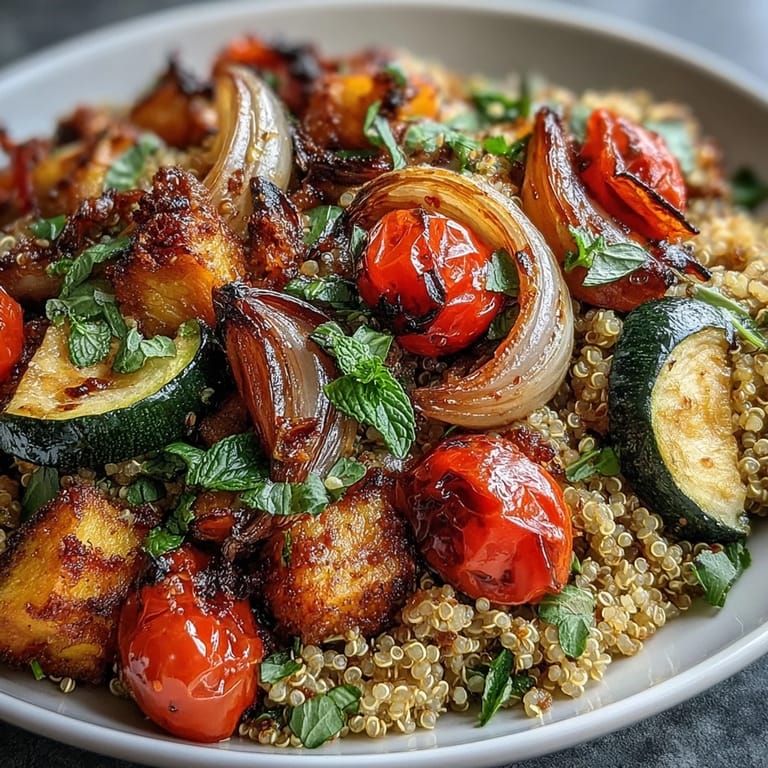
Save One evening my partner brought a container of this to a work lunch and came home raving about how someone asked if it was a restaurant recipe. That moment taught me that simple doesn't mean boring, and that the most memorable meals are often just good ingredients treated with respect and a little bit of thought.
Why Seasonal Vegetables Matter Here
The beauty of this pilaf is that it adapts to whatever you find at the market or have lingering in your crisper drawer. Summer means zucchini, bell peppers, and cherry tomatoes are at their peak and roast into something almost candy-like, while autumn calls for diced butternut squash, mushrooms, or broccoli florets. Winter root vegetables like parsnips and Brussels sprouts take slightly longer in the oven but reward you with caramelized edges and concentrated sweetness, and spring is perfect for asparagus, snap peas, or young carrots.
How to Make This a Complete Protein Meal
Quinoa on its own is already a complete protein containing all nine amino acids, which is rare for a grain and why it became such a kitchen staple. But if you want to bump up the protein further, a can of drained chickpeas stirred in adds texture and makes this feel even more like a standalone dinner rather than a side dish. Some people add a handful of crumbled feta cheese if they're not vegan, or I've seen folks top it with grilled chicken, flaky white fish, or even a fried egg, turning it into whatever meal you need it to be.
Storage and Reheating Tips
This pilaf keeps beautifully in the refrigerator for up to four days, making it an ideal weeknight meal or office lunch. You can eat it cold straight from the container, or warm it gently in a skillet over medium-low heat with a splash of extra vegetable broth to refresh the grains. If you're meal prepping, store the components separately and assemble it on serving day so the herbs stay vibrant and the roasted vegetables maintain their texture.
- Add the fresh herbs and lemon juice right before serving, not during storage, so they don't lose their brightness.
- A squeeze of fresh lemon when reheating brings back some of that first-bite freshness that can fade after a day or two.
- This dish is forgiving enough to taste good at any temperature, so don't stress about reheating if you prefer it cold.
 Save
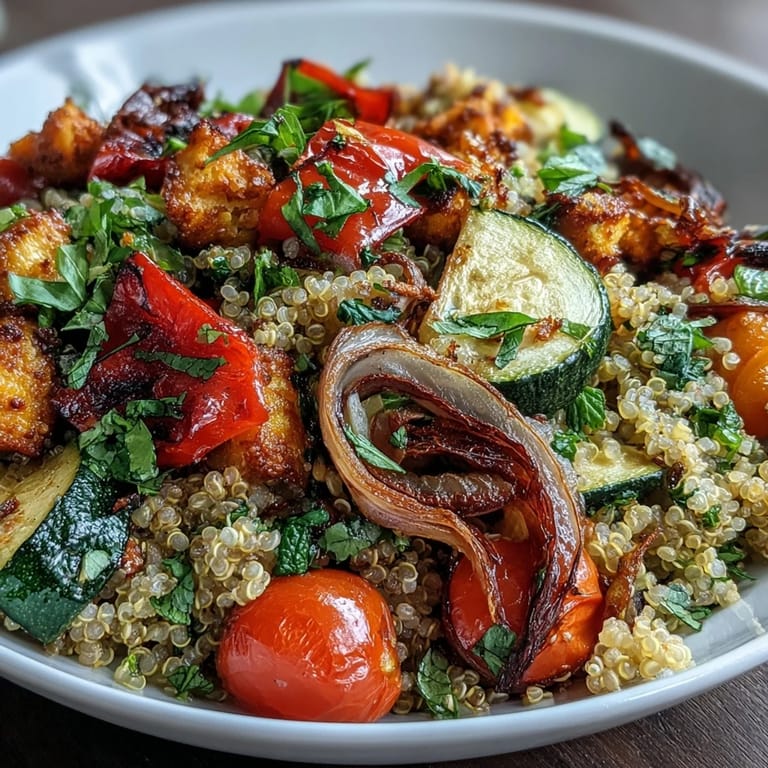
Save This pilaf taught me that the most satisfying meals are often the simplest ones, where every ingredient does something and nothing feels like filler. Make it once and it becomes the recipe you return to whenever you need something nourishing, impressive, and utterly unpretentious.
Recipe FAQ
- → Can I use other vegetables?
Absolutely. Swap in any seasonal vegetables like squash, eggplant, broccoli, or green beans. Roast heartier vegetables longer and tender ones shorter to achieve even doneness.
- → How do I prevent mushy quinoa?
Rinse quinoa thoroughly before cooking to remove bitter saponins. Use the correct 1:2 liquid ratio and simmer gently covered. Let stand 5 minutes off heat before fluffing with a fork.
- → Can I make this ahead?
Yes. Prepare up to 2 days in advance and store refrigerated. Serve warm or at room temperature. Add fresh herbs and lemon juice just before serving for brightest flavor.
- → How can I add more protein?
Stir in a can of drained chickpeas, crumbled feta cheese, or toasted pine nuts. You can also serve alongside grilled chicken, fish, or tofu for a complete protein-rich meal.
- → What broth works best?
Vegetable broth keeps it vegetarian, but chicken broth adds depth if preferred. Use low-sodium varieties to control salt levels. Water works in a pinch with extra seasoning.