 Save
Save There's something about autumn that makes me crave parsnip soup, though I didn't always appreciate this humble root vegetable. Years ago, a friend served me a bowl of creamy parsnip soup on a crisp October evening, and I was shocked by how the humble parsnip transformed into something almost sweet and luxurious. The roasting brings out a caramel-like quality that no amount of description could have prepared me for. Now whenever I make it, I'm transported back to that cozy kitchen and the realization that the best dishes often come from the simplest ingredients.
I tested this recipe during a particularly hectic week when I had dinner guests arriving with barely any notice. My usual instinct would've been to panic, but this soup came together so quickly that I actually had time to set the table properly and light candles. My guests had no idea I'd started less than an hour before they arrived, and that's when I knew this was the kind of recipe worth keeping close.
Ingredients
- Parsnips (800 g): These are the star—roasting them brings out their natural sweetness and creates a caramelized exterior that's essential to the soup's flavor depth.
- Potato (1 medium): This adds creaminess without needing excessive cream, and it helps the soup achieve that velvety texture.
- Onion and garlic: The aromatic base that builds flavor while staying subtle enough not to overpower the delicate parsnip.
- Celery stalk: A quiet contributor that adds earthiness and helps round out the vegetable medley.
- Olive oil (2 tbsp total): Use good quality oil—you'll taste it, especially since this soup has so few ingredients.
- Vegetable stock (1 L): Homemade is best if you have it, but quality store-bought works beautifully too.
- Double cream or crème fraîche: Optional but transformative—it adds richness and a slight tang that balances the sweetness.
- Fresh herbs (parsley, chives, dill, tarragon): Don't skip these; they're the finale that brings brightness and prevents the soup from feeling heavy.
Tired of Takeout? 🥡
Get 10 meals you can make faster than delivery arrives. Seriously.
One email. No spam. Unsubscribe anytime.
Instructions
- Prepare and roast the parsnips:
- Preheat your oven to 200°C and toss those parsnip chunks with a tablespoon of olive oil and a generous pinch of salt. Spread them on a baking tray and let them roast for 25–30 minutes, turning once halfway through—you're looking for golden edges and a fork-tender center where the natural sugars have concentrated into something almost candy-like.
- Build your aromatic base:
- While the parsnips roast, warm the remaining olive oil in a large saucepan over medium heat and add your diced onion, minced garlic, sliced celery, and diced potato. Sauté for 5–7 minutes until everything softens and becomes fragrant; you want them cooked through but still pale, not browned.
- Combine and simmer:
- Add those gorgeous roasted parsnips to your saucepan, pour in the vegetable stock, and bring everything to a boil before turning the heat down to a gentle simmer. Let it bubble quietly for 10–15 minutes until all the vegetables are completely tender and yield instantly to the back of a spoon.
- Blend into silk:
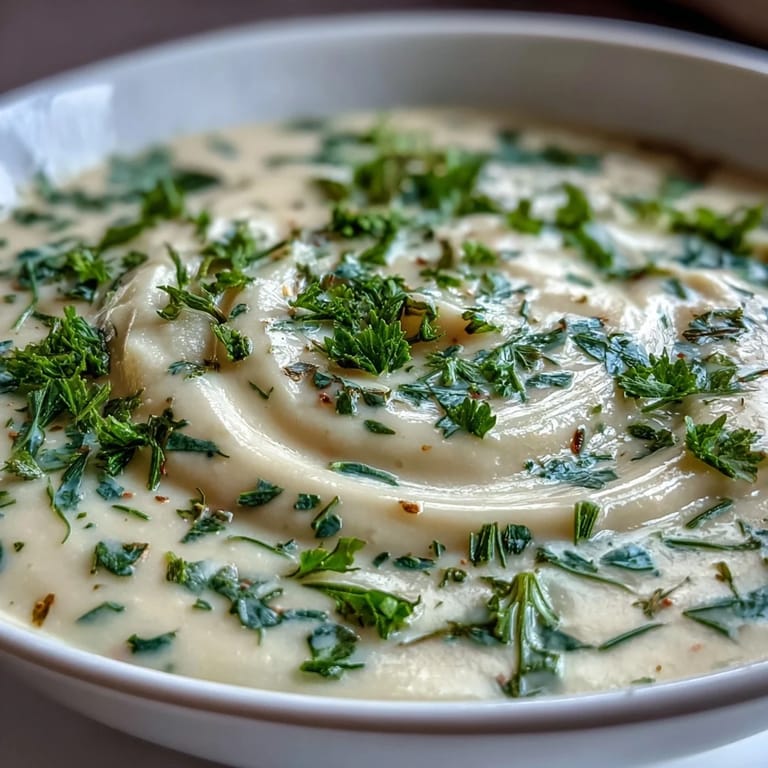
- This is where the magic happens—using a stick blender, slowly blend the soup until it's perfectly smooth and silky, or work in batches with a countertop blender if that's your setup. Stop occasionally to taste and admire the velvety texture you've created.
- Finish with creaminess and seasoning:
- Stir in your cream or crème fraîche if using, then taste and adjust the salt and black pepper until it feels balanced to your palate. The soup should taste like parsnip and herbs, not salt and pepper.
- Serve with a flourish:
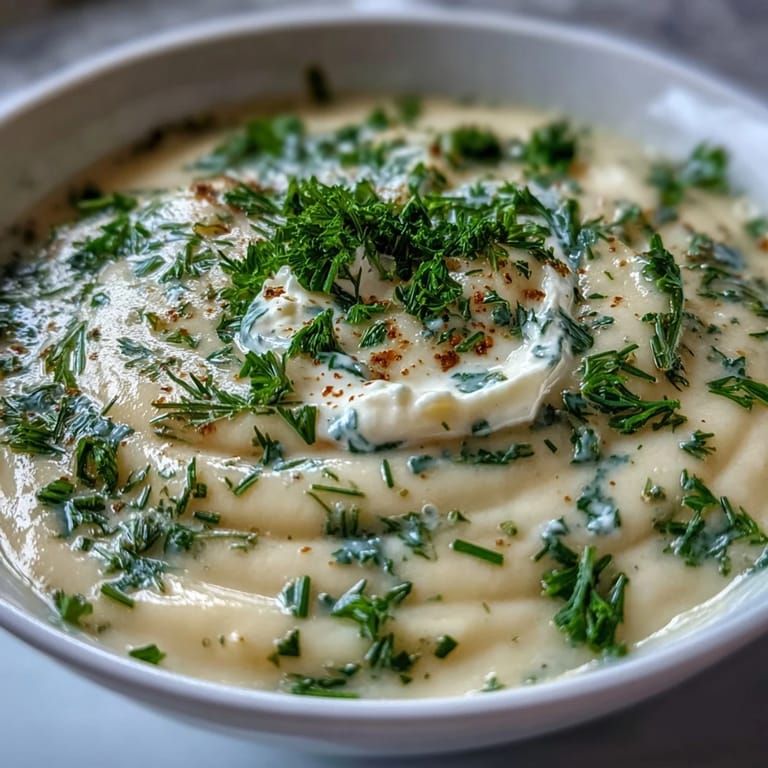
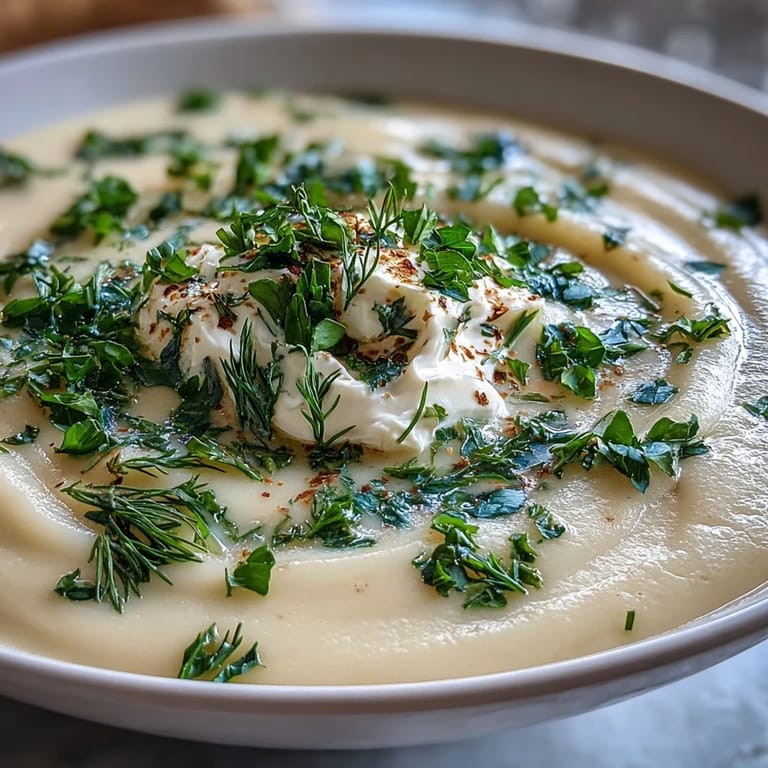
- Ladle the soup into bowls and generously scatter your fresh herbs across the top—the green confetti of parsley, chives, and dill will brighten both the bowl and your mood.
 Save
Save Last winter, I made this soup for my grandmother who had been under the weather, and watching her face light up at that first spoonful reminded me why cooking matters. She closed her eyes and said it tasted like comfort, and honestly, that's the highest compliment any soup could receive.
Why Roasting Makes All the Difference
The roasting step isn't just an extra step to make your life complicated—it's where the chemistry happens. When you expose those parsnips to dry heat, their natural sugars caramelize, creating depth and complexity that you absolutely cannot achieve by just boiling them. I learned this the hard way when I tried to shortcut it once by skipping the oven, and the soup was flat and one-dimensional. The roasting also gives the parsnips a slightly firm edge before they go into the liquid, so they hold their structure longer during cooking instead of disintegrating into mush.
The Herb Finish Is Non-Negotiable
I used to think the herbs were just a garnish, something pretty to photograph, but I was completely wrong. They're actually the counterbalance to the soup's richness and sweetness, and they brighten everything with their fresh, green quality. Fresh herbs also add a textural element—a little snap when you bite down—that prevents the soup from feeling monotonously creamy. The combination of parsley, chives, and dill works beautifully together, but honestly, use whatever fresh herbs you have in your kitchen; tarragon is particularly wonderful if you can find it.
Make It Your Own
This is a soup that welcomes variation and adaptation without losing its soul. You can easily make it vegan by using a plant-based cream alternative, and a small squeeze of lemon juice at the end adds brightness without being obvious. Some people finish with a drizzle of good quality oil or a sprinkle of toasted seeds for extra texture and richness.
- A tablespoon of fresh lemon juice stirred in just before serving adds subtle brightness that makes people ask what's different.
- Toasted pumpkin seeds or sunflower seeds scattered on top add satisfying crunch without changing the recipe.
- Save a handful of fresh herbs before blending to stir into the finished soup for pockets of fresh flavor throughout each spoonful.
 Save
Save This parsnip and herb soup has become my go-to recipe when I want something nourishing that doesn't feel like effort, and I hope it brings the same quiet joy to your table that it's brought to mine. There's real magic in how simple ingredients become something genuinely special.
Recipe FAQ
- → Can I make this ahead of time?
Absolutely. This tastes even better the next day as flavours develop. Store in the fridge for up to 3 days and reheat gently, adding a splash of water if needed.
- → What's the purpose of roasting parsnips first?
Roasting caramelises the natural sugars in parsnips, creating deeper sweetness and complexity compared to boiling alone.
- → Can I freeze this soup?
Yes, freeze for up to 3 months. Leave out cream if freezing—stir it in after reheating for best texture.
- → Which herbs work best?
Parsley and chives provide essential freshness. Dill adds brightness, while tarragon offers subtle anise notes that complement parsnips beautifully.
- → How do I achieve the silkiest texture?
Blend thoroughly in batches if using a countertop blender. A stick blender works well too—just keep blending until absolutely smooth with no fibrous bits remaining.