 Save
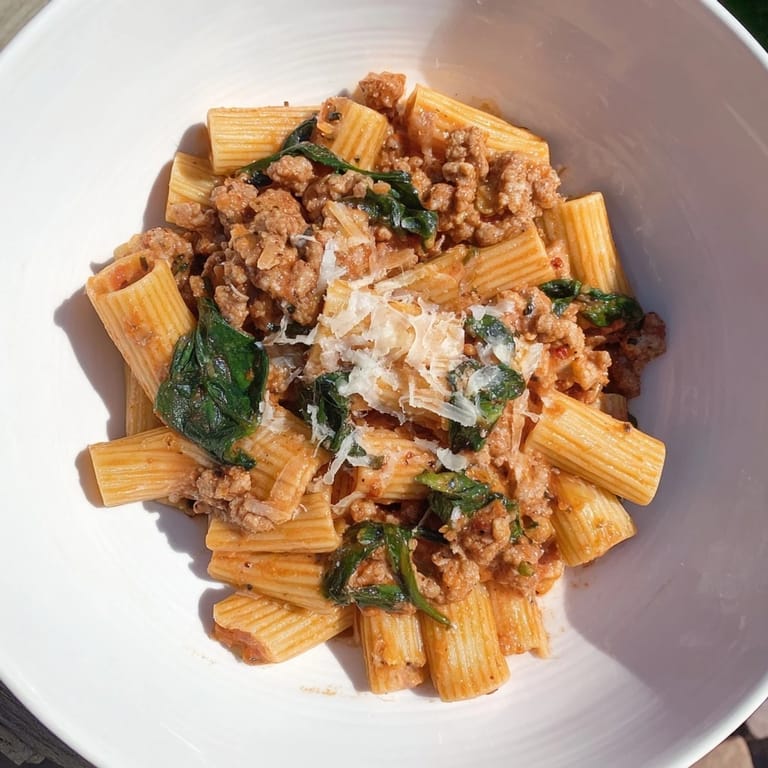
Save There's something about a weeknight when you're standing in front of the stove with barely thirty minutes to pull dinner together that makes one-pot pasta feel like pure genius. I discovered this particular version on a Tuesday when I had Italian sausage thawing on the counter and tomatoes I needed to use before they went soft. The smell of the sausage browning mixed with garlic and the way the pasta absorbed all that broth while cooking—it felt like cheating, honestly, because something this comforting shouldn't come together so quickly.
My sister came over unexpectedly on a cold evening, and I had this on the table within forty minutes—she asked for the recipe before she'd finished eating. What stuck with me wasn't just that she loved it, but how the kitchen smelled while it cooked, warm and inviting, the kind of smell that makes people linger longer than they planned.
Ingredients
- Italian Sausage (400 g): This is your flavor anchor, so buy quality sausage if you can—the difference between grocery store and butcher-counter is noticeable. Remove the casings and let it brown properly before breaking it apart, which gives you better texture and deeper color.
- Yellow Onion (1 medium): Chopped fine so it softens quickly and melts into the sauce rather than staying chunky.
- Garlic (3 cloves): Minced small and added after the onions, not before, so it doesn't burn and turn bitter.
- Canned Diced Tomatoes (400 g): The tinned version is actually better here than fresh because the juice becomes part of your cooking liquid—don't drain them.
- Short Pasta (300 g): Penne, rigatoni, or fusilli all work equally well; choose whatever you have on hand because the shape matters less than the sauce clinging to it.
- Chicken Broth (750 ml): Use low-sodium so you control the salt level—it becomes your cooking liquid and needs to be absorbed by the pasta.
- Heavy Cream (60 ml): Added at the end to round out the flavors and create that silky, luxurious feel without making the dish feel heavy.
- Parmesan Cheese (60 g): Freshly grated if possible, stirred in right before serving so it doesn't clump or get stringy.
- Olive Oil (2 tbsp): Use it generously to brown the sausage—you want a good sear, not just cooking it through.
- Dried Italian Herbs (1 tsp): A backup when fresh basil isn't around; bloom it briefly in the oil to release the flavor.
- Red Pepper Flakes (1/2 tsp): Optional but recommended if you like a gentle heat that builds on your tongue.
- Baby Spinach (100 g): Optional, but it adds color and a hint of earthiness—I usually include it.
Tired of Takeout? 🥡
Get 10 meals you can make faster than delivery arrives. Seriously.
One email. No spam. Unsubscribe anytime.
Instructions
- Get your pan screaming hot:
- Use a large, deep skillet or Dutch oven over medium-high heat and add the olive oil. Let it shimmer and almost smoke before adding anything—this is when you know it's ready to work.
- Brown the sausage deeply:
- Add the sausage to the hot pan and let it sit undisturbed for a minute before breaking it apart with your spoon, which creates better browning than stirring constantly. Keep going until you see rich brown spots and the meat has lost its raw look, about five minutes total.
- Build your flavor base:
- Add the chopped onion to the same pan with all the sausage fat still clinging to it, and let it soften for three to four minutes while you scrape up any browned bits stuck to the bottom. Add the minced garlic, give it about a minute until fragrant, then stop—if you cook it longer, it turns acrid.
- Layer in the tomatoes and herbs:
- Pour in the diced tomatoes with their juices, add the Italian herbs and red pepper flakes, and stir everything together so nothing sticks to the bottom. Let this bubble for just a minute to marry the flavors.
- Add pasta and liquid:
- Add the uncooked pasta and chicken broth, stir well so the pasta isn't clumped, then bring the whole thing to a boil. You'll see it bubble up around the edges and smell even more savory.
- Simmer until the pasta drinks everything:
- Turn the heat down to medium-low, cover the pan, and let it cook for twelve to fifteen minutes, giving it a stir every few minutes so nothing sticks. The pasta should be al dente and most of the liquid absorbed when you're done.
- Finish with cream and cheese:
- Remove from heat and stir in the heavy cream and grated Parmesan, which melts and creates a silky sauce coating everything. Add the spinach if you're using it and let it wilt from the heat.
- Season and serve:
- Taste it and add salt and pepper to your preference, keeping in mind that the Parmesan brings salt too. Serve hot with extra Parmesan and fresh basil if you have it.
 Save
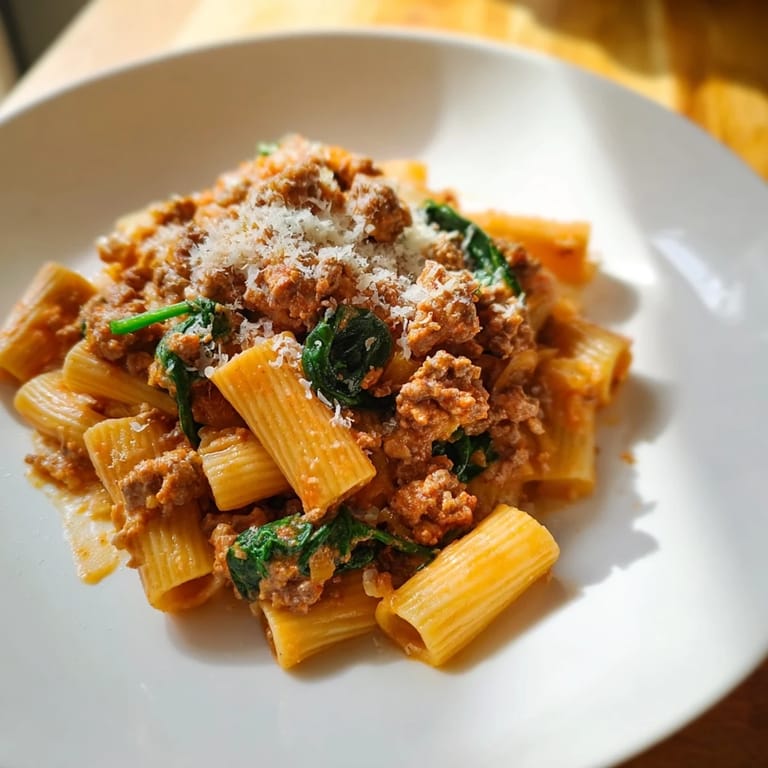
Save What made me come back to this recipe again and again wasn't technical perfection—it was the moment my daughter, who usually picks around everything, asked for seconds and then thirds. That's when I realized this dish had crossed from weeknight solution into something people actually crave.
The Beauty of One-Pot Cooking
One-pot meals have this magic quality where they taste like they've been simmering for hours when they're actually done in half an hour. The pasta absorbs all the broth and seasoning directly, becoming tender and flavorful without needing a separate sauce. It's the kind of cooking that rewards you with minimal effort but maximum impact, which is probably why I've made this so many times that I don't need the recipe anymore.
Playing with Proteins and Vegetables
I've made this with turkey sausage on nights when I wanted something lighter, and it's genuinely good—the seasonings carry it just as well. I've also added sliced mushrooms right along with the onions and roasted red peppers from a jar, which adds texture and visual interest. The spinach is optional but worth including if you want a moment of green in there, or you can leave it out entirely and the dish works perfectly fine.
Pairing and Storage
This dish pairs beautifully with a light Italian red like Chianti, something that won't overpower the cream and tomato but complements the sausage. Leftovers last three days in the fridge and actually improve overnight as the flavors deepen, though you might need to add a splash of broth or water when you reheat because the pasta continues absorbing liquid as it sits.
- For gluten-free diners, swap in your favorite gluten-free pasta and the results are indistinguishable.
- Make sure your chicken broth is actually low-sodium so you're not accidentally over-salting the whole thing.
- Don't be afraid to taste as you go and adjust the seasoning because every brand of sausage varies in saltiness.
 Save
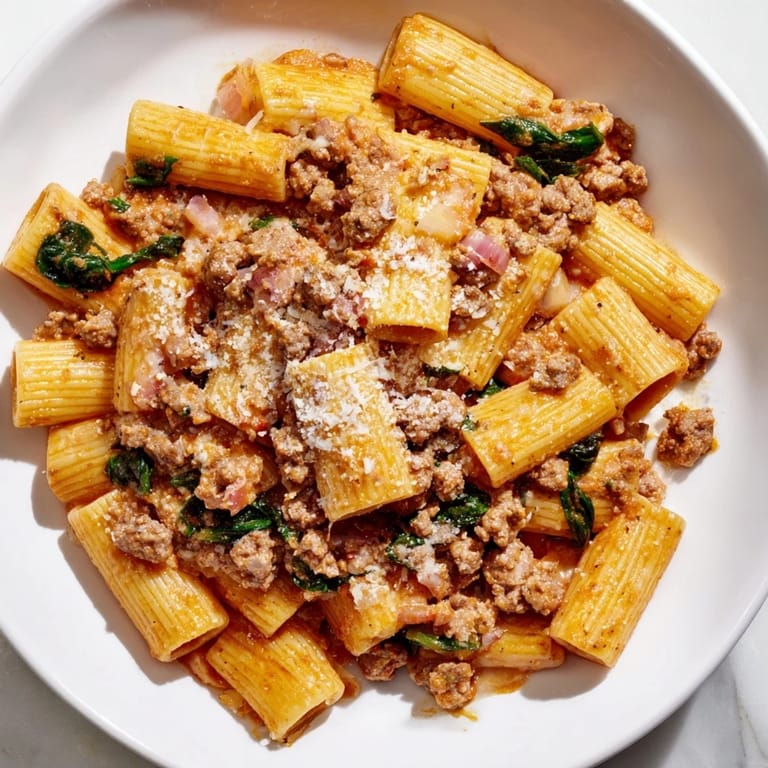
Save This recipe reminded me why I fell in love with cooking in the first place—not for Instagram moments, but for the quiet satisfaction of pulling together something delicious when life is busy. It's the kind of dish that earns a permanent spot in your rotation.
Recipe FAQ
- → Can I use turkey sausage instead of Italian sausage?
Yes, turkey sausage is a great substitute for a lighter version while maintaining flavor.
- → How can I make this dish gluten-free?
Simply swap regular pasta for gluten-free pasta to keep it safe for gluten-sensitive diets.
- → What is the best type of pasta to use?
Short pasta like penne, rigatoni, or fusilli works best as it holds the sauce well.
- → Can I add extra vegetables to this dish?
Absolutely, try adding sliced mushrooms or bell peppers along with the onions for more flavor and nutrition.
- → How do I know when the pasta is done?
Cook until the pasta is al dente and most of the liquid has been absorbed, usually 12–15 minutes.
- → Is it necessary to add cream to the dish?
The cream adds a smooth richness, but you can omit it for a lighter option if preferred.