 Save
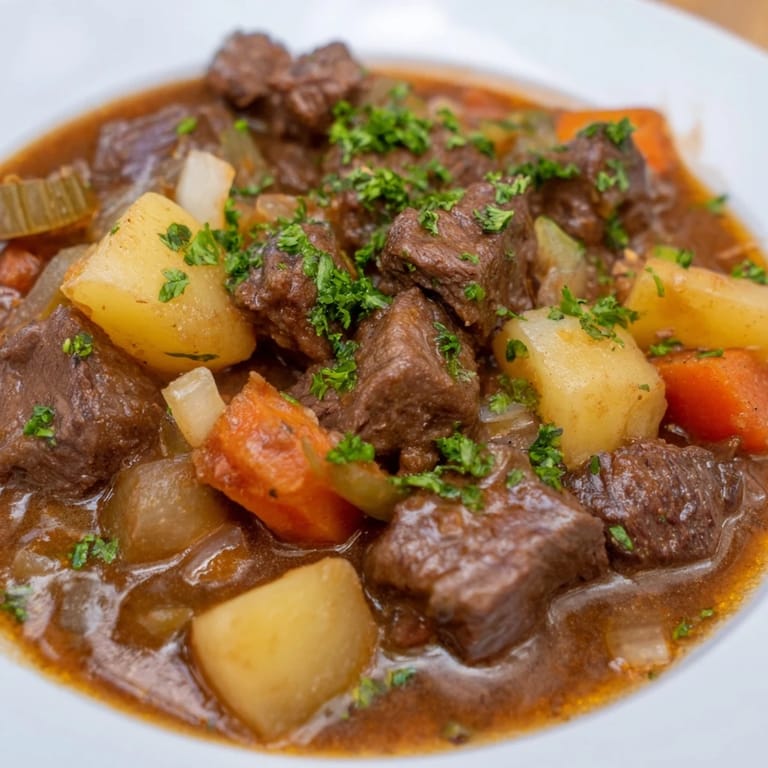
Save My grandfather used to make this stew on Sunday afternoons, filling the entire house with this smell that made you forget about cold weather entirely. The kind of aroma that seeps into your clothes and lingers in your memory. I didn't think much about it as a kid—I just wanted to eat—but years later, standing in my own kitchen with a Dutch oven and beef chuck, I finally understood what he was doing. He wasn't just cooking dinner; he was building something that would warm you from the inside out, hours after the pot was empty.
I made this for the first time during my first winter in a proper house with a real kitchen. The recipe came together almost by accident—I had beef, potatoes, carrots, and a bottle of Guinness that a friend had left behind. Three hours later, my partner came home from work to find the kitchen steamed up and the whole place smelling like an Irish pub. We ate it straight from the pot, standing at the counter, barely speaking. That's when I knew it was the kind of recipe worth keeping.
Ingredients
- Beef chuck (1.5 kg / 3.3 lbs), cut into 2-inch cubes: Chuck is where the magic happens—it has just enough fat and connective tissue to break down into silky tenderness during long cooking. Avoid lean cuts; they'll turn tough and stringy.
- Potatoes (4 large), peeled and chunked: These aren't just filler; they thicken the broth naturally and become almost creamy as they cook down. Waxy varieties hold their shape better than floury ones.
- Carrots (4 large), sliced: Sweet and earthy, they balance the savory beef beautifully and soften into almost candy-like bites by the end.
- Onions (2 large), chopped: The base of everything good—they dissolve into the broth and add a subtle sweetness that ties it all together.
- Celery stalks (2), sliced: Often overlooked, but celery adds depth and complexity without being obvious about it.
- Garlic (3 cloves), minced: A brief sauté makes it mellow and sweet rather than sharp or aggressive.
- Beef stock (1.2 liters / 5 cups): The liquid backbone—use good stock if you can, but even basic store-bought works when the other flavors are strong.
- Guinness or dark beer (330 ml / 1 bottle), optional: This adds subtle depth and a whisper of bitterness that makes people say 'what is that?' without being able to pinpoint it. Skip it for gluten-free versions.
- Tomato paste (2 tbsp): A concentration of umami that makes the broth taste richer and more complex than it should.
- Worcestershire sauce (2 tbsp): Another umami bomb—trust it even if you're skeptical.
- Bay leaves (2), dried thyme (1 tsp), dried rosemary (1 tsp): These three are a classic trio that tastes unmistakably Irish and timeless.
- Salt and black pepper: Season aggressively at the end; this stew can take it.
- Vegetable oil (3 tbsp): For searing the beef until it's golden and crusted on all sides.
- Fresh parsley (2 tbsp), chopped: A final bright note that cuts through the richness and adds color.
Tired of Takeout? 🥡
Get 10 meals you can make faster than delivery arrives. Seriously.
One email. No spam. Unsubscribe anytime.
Instructions
- Dry and season your beef:
- Pat the cubes completely dry with paper towels—moisture is the enemy of browning. Season generously with salt and pepper right before you sear; this gives the surface flavor a chance to bloom.
- Sear the beef in batches:
- Heat oil over medium-high heat until it shimmers, then add beef without crowding the pot. Let each batch sit undisturbed for 2-3 minutes to develop a golden crust, then flip and repeat. Transfer to a plate as you go—this step builds flavor that won't develop any other way.
- Soften the aromatics:
- Toss the onions and celery into the same pot (don't clean it, all those browned bits are liquid gold) and cook until soft and translucent, about 5 minutes. Add garlic and cook for just 1 minute more—you want it fragrant, not burned.
- Toast the tomato paste:
- Stir it in and let it sit in the hot pot for a minute, letting it caramelize slightly. This deepens its flavor significantly.
- Add the Guinness (if using):
- Pour it in and scrape up all the browned bits stuck to the bottom with a wooden spoon. Let it bubble gently for 2 minutes so some of the alcohol cooks off and the flavors marry.
- Build the stew:
- Return the beef to the pot and add carrots, potatoes, bay leaves, thyme, rosemary, stock, and Worcestershire sauce. Stir everything together so nothing sticks to the bottom, then bring it to a gentle boil.
- Simmer low and slow:
- Reduce heat to low, cover, and let it bubble gently for 2 to 2.5 hours, stirring occasionally. You want the beef so tender it falls apart with a fork and the vegetables to be completely soft but not disintegrating.
- Finish and season:
- Remove the bay leaves and taste the broth. Adjust salt and pepper—this is crucial because the long cooking can mute flavors. Serve hot with a scatter of fresh parsley on top.
 Save
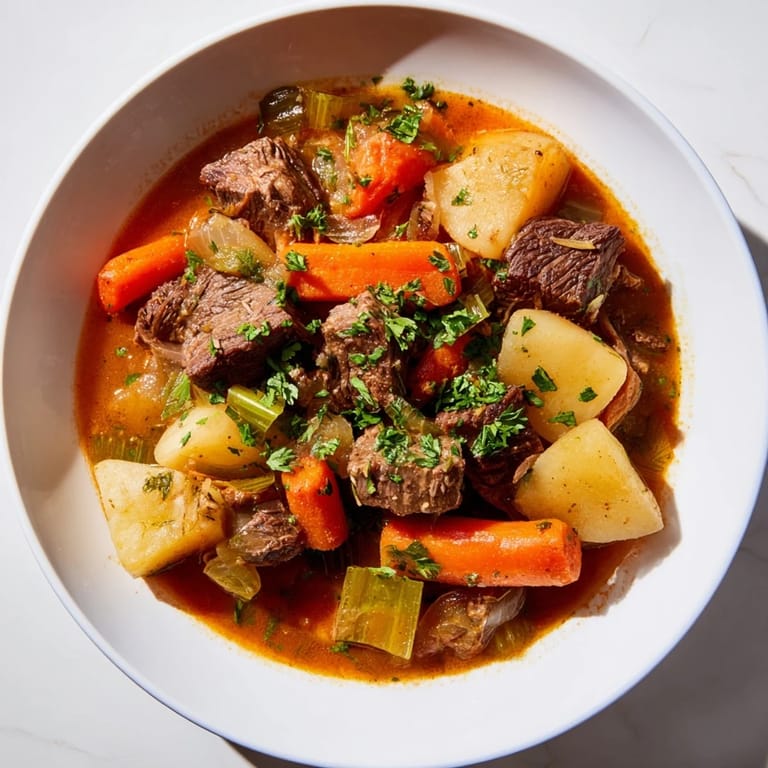
Save A friend's mother came for dinner one night when I had a pot of this simmering away. She walked in, took one breath, and her whole face softened—I learned later that it smelled exactly like her childhood kitchen in Cork. She didn't say much, but she had three servings and left with half the pot wrapped up to take home. That's when I realized this recipe is less about technique and more about what it represents: comfort that transcends language.
Building Deeper Flavor
The secret to a stew that tastes like it took all day is layering flavors rather than dumping everything in at once. Searing the meat, toasting the tomato paste, and deglazing with beer all add different dimensions of flavor that simmer together for hours and become something greater than their parts. I used to think I was just following steps; now I understand I'm building a narrative of taste.
Timing and Patience
Two and a half hours sounds like a long time until you realize that most of it is passive—you're not standing there stirring the whole time, just checking in occasionally and maybe adjusting the heat if it's bubbling too aggressively. I use this time to do other things: prep dessert, go for a walk, or just sit nearby with a cup of tea. The stew doesn't demand attention; it just asks for time.
Variations and Flexibility
This recipe is more flexible than it first appears, and that's part of why it's lasted through generations. I've made it with lamb when beef was too expensive, and it's equally stunning. Some nights I skip the Guinness entirely, not for gluten reasons but just because I'm out of it, and it still works beautifully—the beer adds depth, but the stew stands on its own. The bones of this dish are strong enough to handle improvisation.
- Use waxy potatoes like red or fingerling varieties if you prefer them to hold their shape rather than break down.
- Mash a few potato pieces against the side of the pot toward the end if you want a thicker, creamier stew.
- Serve it over mashed potatoes, egg noodles, or crusty bread depending on your mood and what you have on hand.
 Save
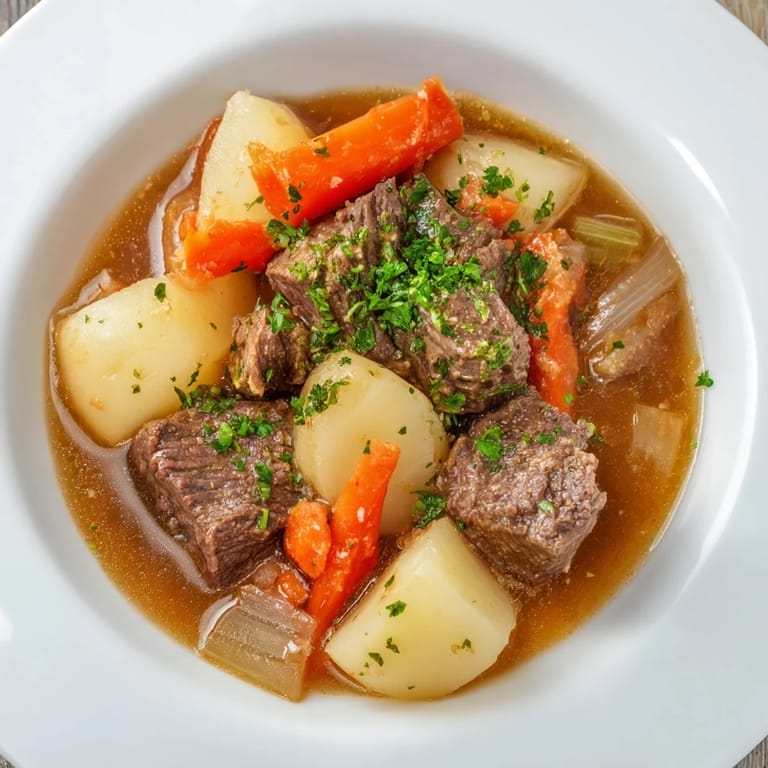
Save This stew has the rare quality of being equally at home on a Tuesday night when you need something warm, or at a dinner table when you're trying to tell someone they're welcome in your home. Make it for someone you love.
Recipe FAQ
- → What cut of beef works best?
Beef chuck, cut into cubes, is ideal for its balance of tenderness and marbling, which becomes tender during slow simmering.
- → How can I thicken the stew naturally?
Mashing a few cooked potato chunks against the pot’s side releases starch, helping to thicken the broth for a richer texture.
- → Can I substitute other meats?
Lamb can replace beef for a traditional variation, offering a different yet authentic Irish flavor profile.
- → Is the stout necessary?
Stout adds a deep, slightly bitter complexity but can be omitted or replaced with extra stock for gluten-free diets.
- → What herbs best complement this dish?
Bay leaves, thyme, and rosemary bring a balanced aromatic depth, enhancing the savory nature of the stew.