 Save
Save My neighbor Elena handed me a bag of guavas one humid afternoon, insisting I had to try making preserves the way her grandmother did in Puerto Rico. I was skeptical—I'd never worked with guavas before, and the whole process seemed intimidating. But the moment those golden fruits started breaking down in the pot, filling my kitchen with this intoxicating tropical sweetness, I understood why she'd been so adamant. Three hours later, I had jars of the most vibrant, glossy jam I'd ever made, and Elena was right: this was worth the effort.
I made a batch for a dinner party last fall, serving it alongside a sharp cheddar and some crackers. My friend Marcus took one bite and asked if I was selling it—he wasn't joking. That moment, watching people taste something I'd made with my own hands, made all the stirring and seed-straining feel completely worthwhile.
Ingredients
- Ripe guavas (1.5 kg, about 10–12 medium): The quality of your final preserve hinges entirely on using fruit that's truly ripe—soft to the touch with a strong fragrance. If your guavas are still firm, they'll take longer to break down and the flavor won't be as concentrated.
- Granulated sugar (700 g): This is your preservative and structure; it helps the jam set properly and keeps it shelf-stable. You can reduce it slightly if you prefer less sweetness, but don't go below 600 g or the texture might suffer.
- Fresh lemon juice (2 tablespoons): This brightens the tropical sweetness and acts as a natural preservative, bringing balance that keeps the jam from feeling one-note.
- Water (1 cup): Essential for cooking down the guavas evenly and preventing scorching on the bottom of your pan.
Tired of Takeout? 🥡
Get 10 meals you can make faster than delivery arrives. Seriously.
One email. No spam. Unsubscribe anytime.
Instructions
- Prepare your guavas:
- Wash them under cold running water, rubbing away any dirt. Cut each one into quarters and use a small spoon to scoop out the seeds—this step takes patience, but you'll preserve more of the precious flesh this way.
- Soften the fruit:
- Combine the guava flesh and water in your largest saucepan and bring it to a rolling boil. Once it hits that boil, drop the heat to medium-low and let it simmer gently for 15 to 20 minutes until the fruit collapses completely and looks almost like it's melting.
- Break it down:
- Use a potato masher to crush the softened guavas into a chunky pulp, or pulse it briefly in a blender if you prefer something smoother. Don't over-blend—you want texture, not baby food.
- Strain for smoothness:
- Push the mixture through a fine sieve or food mill, pressing gently with the back of a spoon to extract every drop of precious pulp and liquid. This is what gives you that silky-smooth preserve you're after.
- Cook with sugar and lemon:
- Return the strained pulp to your pan, add the sugar and lemon juice, and stir constantly over medium-high heat until everything is fully dissolved. The mixture should smell even more intoxicating now.
- Reach the perfect thickness:
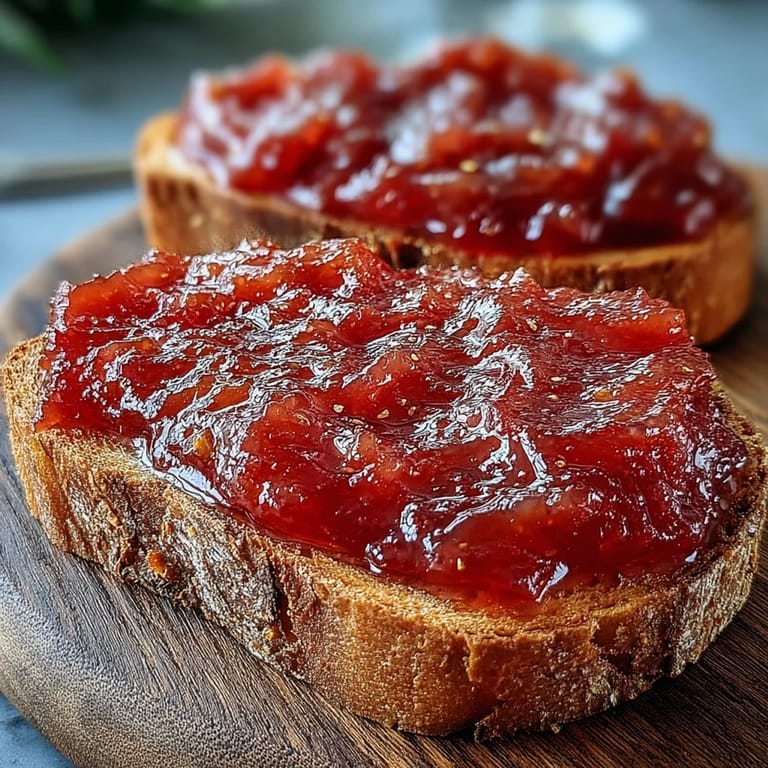
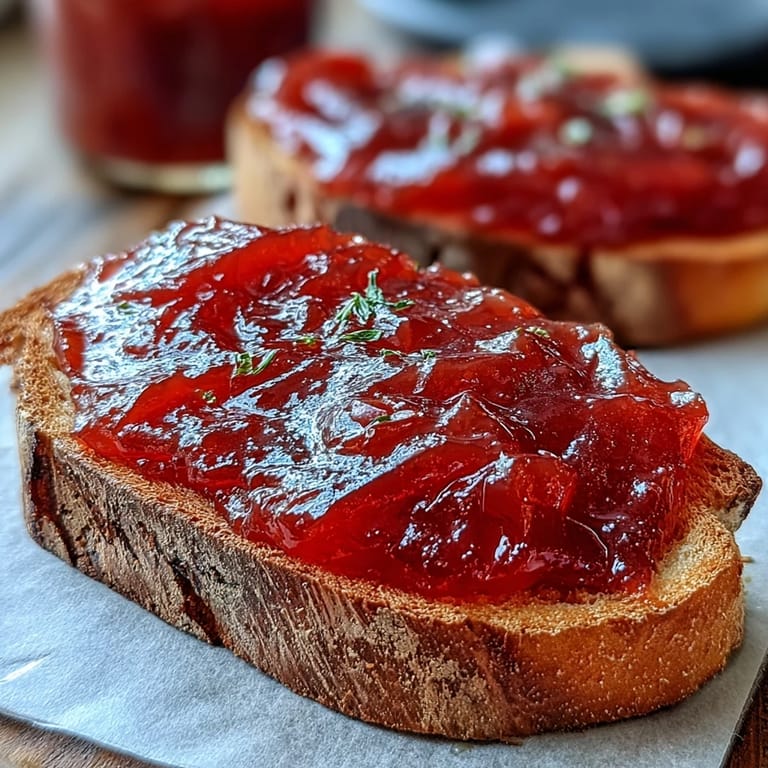
- Reduce heat to medium and stir frequently for 35 to 45 minutes, watching as the mixture transforms into a glossy, deep amber jam. The real test: drop a small spoonful onto a chilled plate—if it wrinkles and doesn't run when you push it, you're done.
- Skim and jar:
- Remove any foam from the surface with a spoon, then carefully pour the hot preserves into sterilized jars, leaving about 1/4 inch of headspace. Seal immediately while everything is still hot, and let the jars cool completely before storing.
 Save
Save Six months later, I opened a jar of this preserve on a gray winter morning when I really needed something to lift my mood. The tropical sweetness and that unmistakable guava flavor transported me right back to Elena's kitchen and that humid afternoon that started it all. Sometimes the best things we make aren't just about feeding ourselves—they're about holding onto a moment.
The Magic of Tropical Fruit Preserving
There's something almost meditative about making preserves. You're essentially capturing the essence of a fruit at its peak and suspending it in time. With guavas specifically, you're working with a flavor that's both delicate and bold—floral and sweet without being cloying. The longer you stir, the more the fruit breaks down and releases its natural pectin, which is what gives you that gorgeous set without needing to add anything artificial.
Serving Suggestions That Surprised Me
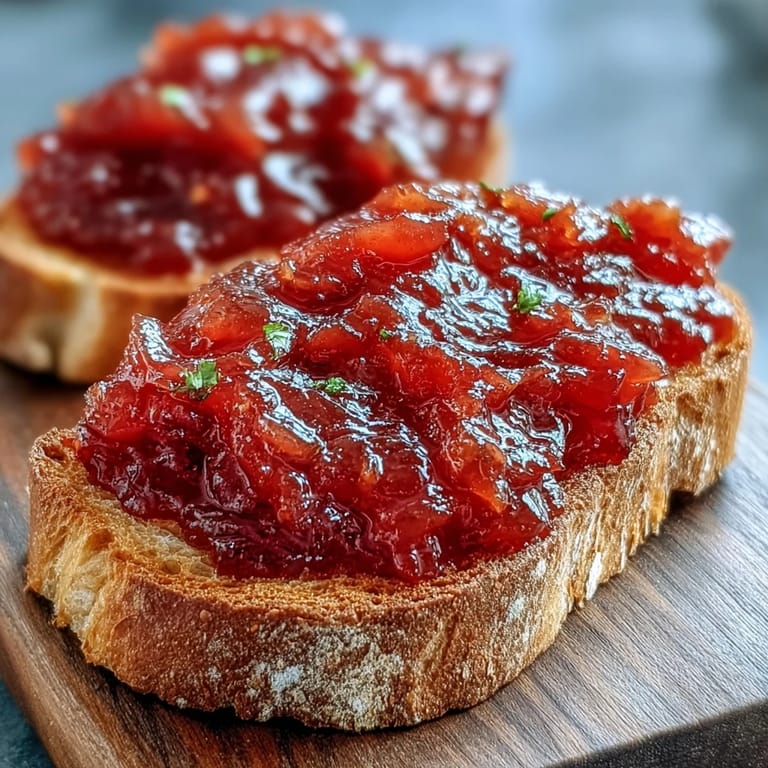
I initially thought this would only live on toast, but then I started experimenting. Dolloped onto soft cheeses like brie or goat cheese, it becomes something completely different—the tartness of the cheese plays beautifully against the jam's sweetness. It's also phenomenal swirled into vanilla yogurt for breakfast, tucked into pastries, or even spooned over roasted duck if you're feeling adventurous. The possibilities expanded the more I cooked with it.
Troubleshooting and Storage Wisdom
If your preserve doesn't set properly, don't panic—you can always rebatch it by returning it to the pan and cooking it down further. For storage, refrigerator life is about three months, which gives you plenty of time to use it before making a fresh batch. If you want it to keep longer without refrigeration, the boiling water bath method works beautifully, though you'll need proper canning knowledge to do it safely.
- Keep your jars in a cool, dark place—sunlight can fade that beautiful golden color over time.
- If mold appears on top, don't try to salvage it; toss the whole jar and move on.
- Label your jars with the date so you remember when you made them and don't accidentally keep them too long.
 Save
Save Making guava preserves is one of those kitchen skills that feels fancy but is genuinely within reach. Once you've done it once, you'll understand why people get so passionate about homemade jams.
Recipe FAQ
- → How do I know when the preserves are ready?
Test the consistency by placing a small amount on a chilled plate. If it wrinkles when you push it with your finger, it has reached the proper setting point. This usually takes 35–45 minutes of simmering.
- → Can I use frozen guavas instead of fresh?
Yes, frozen guavas work well for this preserve. Thaw them completely before starting and follow the same process. You may need to adjust the cooking time slightly if they release more water during thawing.
- → How long will these preserves last?
Properly sealed and stored in the refrigerator, these preserves will keep for up to 3 months. For longer shelf life, process the jars in a boiling water bath and store in a cool, dark place for up to a year.
- → What's the best way to serve guava preserves?
These preserves are incredibly versatile. Spread them on toast or biscuits, pair with sharp cheddar or creamy brie on a cheese board, use as a filling for pastries, or swirl into yogurt. The tropical sweetness also complements roasted meats like pork or chicken.
- → Can I reduce the amount of sugar?
You can reduce the sugar slightly, but keep in mind that sugar acts as a preservative and helps achieve the proper setting consistency. If you significantly reduce the sweetener, the preserve may not set as firmly and will have a shorter shelf life.