 Save
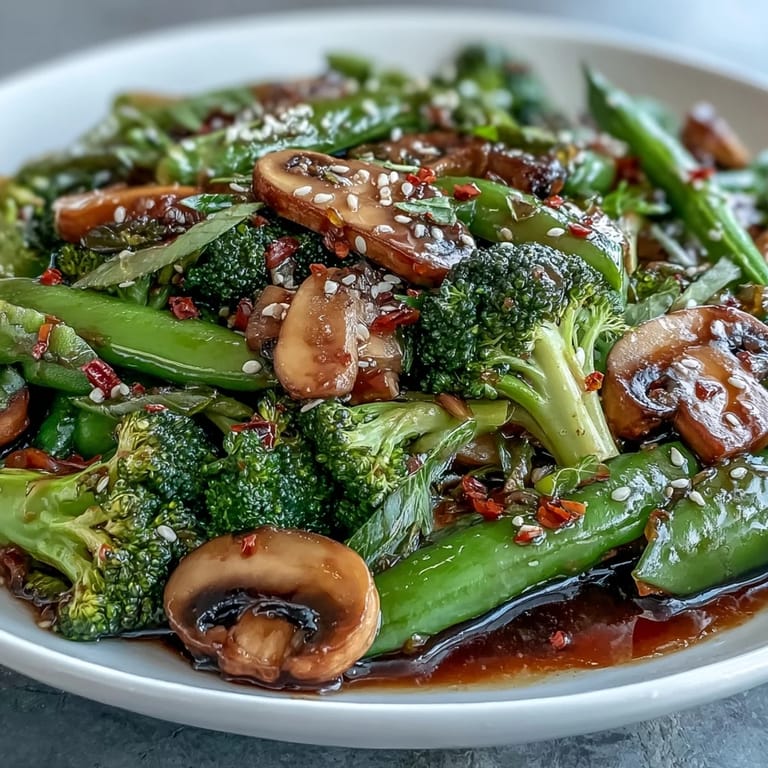
Save My neighbor stopped by one evening just as I was heating oil in my wok, and the smell of ginger hitting hot oil drew her straight to the kitchen. She watched as vegetables tumbled in, turning bright and crisp, and by the time I finished, she was asking for the recipe. That's when I realized this stir-fry wasn't just about feeding myself quickly—it was about creating something so fragrant and vibrant that it naturally brings people closer.
I made this for my mom during a visit last spring when she mentioned feeling tired of her usual rotation. Watching her close her eyes after the first bite and say 'wow, that's bright' reminded me that cooking doesn't have to be complicated to feel special.
Ingredients
- Broccoli florets: Look for crowns that are tightly packed and deep green; they'll stay crunchier in the heat.
- Sliced carrots: Cut them on a slight angle so they cook faster and look more appealing on the plate.
- Red bell pepper: Sweet and mild, it balances the spice and adds a pop of color that makes the dish feel celebratory.
- Snap peas: These stay delightfully crisp and add a subtle sweetness that ginger loves.
- Yellow onion: Slice it thin so it softens into the background while still adding depth.
- Sliced mushrooms: They soak up flavor like little sponges and turn silky in the wok.
- Fresh ginger: This is non-negotiable; the warmth and zing it brings can't be replicated by powder, trust me.
- Garlic: Three cloves gives you a whisper of garlic that doesn't overpower the ginger's moment to shine.
- Soy sauce: Use tamari if gluten matters to you, and don't skimp—it's your umami anchor.
- Sesame oil: Just a tablespoon goes a long way; it's rich and nutty and turns ordinary vegetables into something memorable.
- Vegetable oil: Keep the heat high without burning; this lets your wok work properly.
- Rice vinegar: A splash of brightness that keeps everything from tasting too heavy.
- Maple syrup or honey: Just enough sweetness to round out the flavors without making it taste dessert-like.
- Red pepper flakes: Optional, but they add a gentle heat that builds as you eat.
- Green onions and sesame seeds: These aren't just toppings; they're the finishing notes that make people ask for seconds.
Tired of Takeout? 🥡
Get 10 meals you can make faster than delivery arrives. Seriously.
One email. No spam. Unsubscribe anytime.
Instructions
- Build your sauce first:
- Whisk soy sauce, rice vinegar, maple syrup, and red pepper flakes together in a small bowl. This way it's ready to go, and you won't be fumbling with bottles while your vegetables are cooking.
- Get your oils hot:
- Heat vegetable oil and sesame oil in a large skillet or wok over medium-high heat until it shimmers slightly. You'll know it's ready when you feel the heat radiating from the pan.
- Wake up the aromatics:
- Add ginger and garlic and stir for about 30 seconds until the smell hits you—that's your signal they're awakening and ready to flavor everything else.
- Start with the slower vegetables:
- Toss in onion, carrots, and broccoli, stirring constantly for 2 to 3 minutes. They need a head start because they take longer to soften.
- Add the quick-cooking vegetables:
- Fold in bell pepper, snap peas, and mushrooms, and keep stirring for another 3 to 4 minutes until everything has color but still feels firm when you bite it.
- Bring it all together:
- Pour your sauce over the vegetables and toss everything for 1 to 2 minutes so every piece gets coated and the flavors meld.
- Finish with flair:
- Remove from heat, scatter green onions and sesame seeds across the top, and serve immediately while everything is still warm and vibrant.
 Save
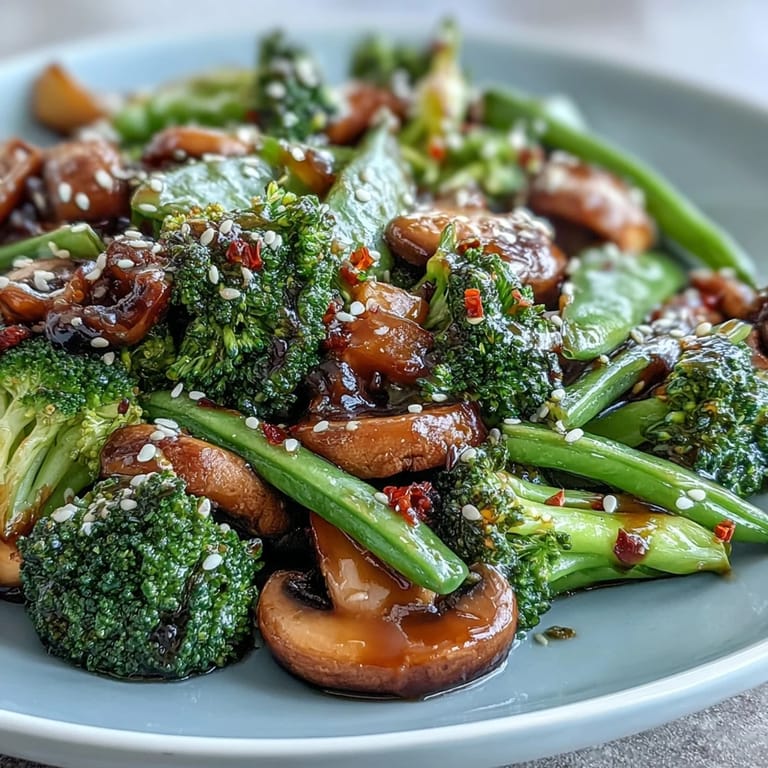
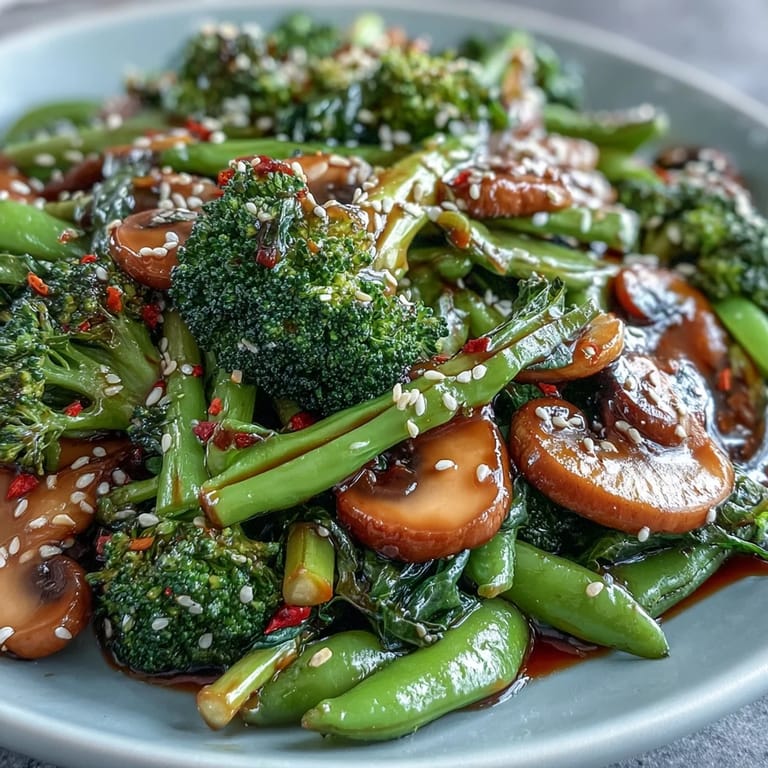
Save There's a moment during every stir-fry when all the vegetables glisten with sauce under the kitchen lights, and for just a second the whole dish becomes art before it becomes dinner. That's the moment I always pause and feel grateful for something so simple that transforms a regular night into something worth remembering.
Why This Stir-Fry Works
The magic here lives in timing and temperature. High heat keeps vegetables snappy instead of steamed, and ginger acts like a flavor multiplier, making every vegetable taste more like itself. The sauce ties everything together without drowning it, which is the hardest balance to strike in any stir-fry.
How to Make It Your Own
This recipe is honestly a starting point. Swap in whatever vegetables you have—bok choy, zucchini, cauliflower, green beans—they'll all work beautifully. The real flexibility lives in protein too; add some crumbled tofu, tempeh strips, or cashews if you want to make it heartier.
Serving and Storage Wisdom
Serve this over steamed rice or noodles to catch all the savory sauce, or eat it straight from the bowl if you're in a hurry. Leftovers keep in the fridge for three days and actually taste better the next day as flavors settle, though the vegetables soften slightly.
- If you're meal prepping, keep the sauce separate and add it just before eating to maintain that signature crispness.
- Warm leftovers gently in the wok rather than microwaving, which brings back some of that original texture.
- This pairs beautifully with a cold jasmine tea or something sparkling and light.
 Save
Save This stir-fry became a staple in my kitchen because it proved that weeknight cooking doesn't mean sacrificing flavor or care. Make it once, and you'll understand why.
Recipe FAQ
- → What vegetables work best in this stir-fry?
Broccoli, carrots, bell peppers, snap peas, and mushrooms are ideal because they maintain their texture when cooked quickly over high heat. Feel free to substitute with bok choy, snow peas, or baby corn based on preference.
- → Can I make this gluten-free?
Simply replace regular soy sauce with tamari, which is naturally gluten-free. All other ingredients including the vegetables, ginger, garlic, and oils are already gluten-free.
- → How do I keep vegetables crisp-tender?
Cook over medium-high heat and avoid overcrowding the wok. Add harder vegetables like carrots and broccoli first, then quicker-cooking vegetables like bell peppers and snap peas. Total cooking time should be 5-7 minutes maximum.
- → What protein can I add to make it more filling?
Pressed tofu cubes, tempeh strips, or edamame work beautifully. Add tofu or tempeh during step 4 to brown them slightly, or stir in pre-cooked edamame at the end with the sauce.
- → Can I prepare the sauce in advance?
Yes, whisk together the soy sauce, rice vinegar, maple syrup, and red pepper flakes up to 3 days ahead. Store in an airtight container in the refrigerator and bring to room temperature before cooking.