 Save
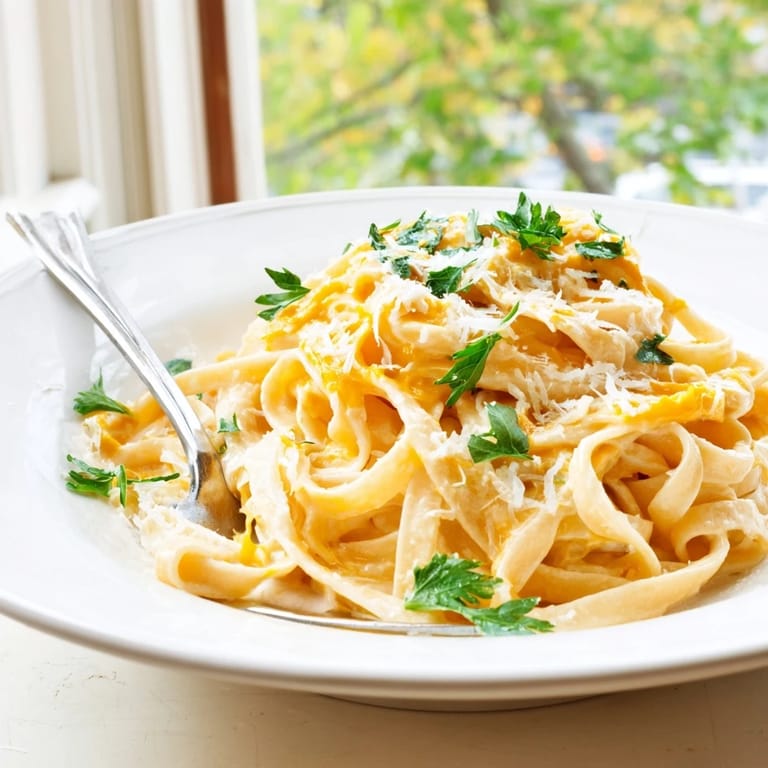
Save The first butternut squash I ever roasted turned out darker on one side than the other, but when I blended it into this pasta sauce, no one could tell. The sweetness from the caramelized edges actually made it better. I was trying to impress a friend who claimed they didn't like squash, and by the time we finished the second helpings, they were asking for the recipe. Sometimes the best dishes come from ignoring perfection.
I started making this in early October when the farmers market had squash piled high in every shade of orange. My kitchen smelled like sage and roasted garlic for hours, and neighbors would knock just to ask what I was cooking. One year I made it for a potluck and someone thought it was a fancy restaurant dish. I didn't correct them.
Ingredients
- Butternut squash: Choose one that feels heavy for its size, the denser it is, the creamier your sauce will be, and don't skip roasting because it brings out the natural sugars.
- Garlic cloves: Roasting them in their skins turns them sweet and mellow, nothing like raw garlic, and they squeeze out like soft butter.
- Yellow onion: Diced small so it melts into the sauce, adding a savory backbone that balances the squash sweetness.
- Fresh sage: This herb was made for fall squash dishes, it smells like comfort, and even dried sage works if that is all you have.
- Fettuccine or tagliatelle: Wide noodles hold the sauce better than thin ones, and fresh pasta makes this feel like a special occasion.
- Olive oil: Use a good one for roasting, it helps the squash caramelize and adds richness you can taste.
- Heavy cream: This makes the sauce silky and luxurious, or swap in coconut milk for a vegan version that still feels decadent.
- Parmesan cheese: Adds a salty, umami punch that ties everything together, and it melts right into the warm sauce.
- Vegetable broth: Thins the sauce to just the right consistency and adds a layer of savory flavor.
- Nutmeg: Just a pinch wakes up the sweetness of the squash without making it taste like dessert.
- Fresh parsley: A bright green finish that cuts through the richness and makes the plate look alive.
Tired of Takeout? 🥡
Get 10 meals you can make faster than delivery arrives. Seriously.
One email. No spam. Unsubscribe anytime.
Instructions
- Roast the squash and garlic:
- Preheat your oven to 400°F and spread the cubed squash and unpeeled garlic on a parchment lined baking sheet, drizzle with olive oil, season with salt and pepper, and roast for 25 to 30 minutes until the edges turn golden and sweet. The squash should be fork tender and the garlic soft inside its papery skin.
- Cook the pasta:
- Bring a large pot of salted water to a rolling boil and cook your pasta according to the package directions, making sure to save half a cup of the starchy pasta water before draining. This water will be your secret weapon for adjusting the sauce later.
- Sauté the aromatics:
- Heat the remaining olive oil in a large skillet over medium heat and add the diced onion and chopped sage, stirring until the onion turns translucent and the sage releases its earthy perfume, about 4 minutes. Your kitchen will start to smell like fall.
- Blend the sauce:
- Squeeze the roasted garlic out of its skins and toss it into a blender along with the roasted squash, sautéed onion and sage, vegetable broth, and heavy cream, then blend until the mixture is completely smooth and velvety. If it looks too thick, don't worry, you will adjust it in the pan.
- Finish and combine:
- Pour the blended sauce back into the skillet over low heat, stir in the Parmesan and a pinch of nutmeg, and season with salt and pepper, adding reserved pasta water a splash at a time until it coats the back of a spoon. Add the drained pasta and toss gently until every strand is glossed with sauce, letting it warm through for 2 to 3 minutes before serving.
 Save
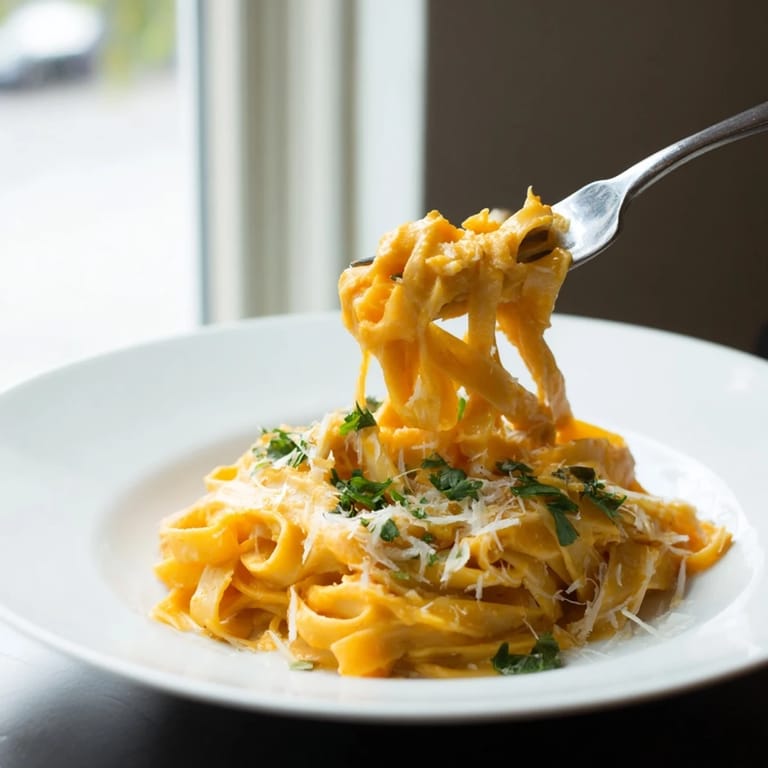
Save One rainy November evening, I made this for my sister who was going through a rough week. She sat at my counter with a glass of wine while I tossed the pasta in the golden sauce, and by the time we sat down to eat, she was smiling again. We didn't talk about her problems, we just ate in comfortable silence, twirling noodles and soaking up every bit of sauce with bread. Food can do that sometimes.
Make It Your Own
I have stirred in handfuls of baby spinach right at the end and watched it wilt into the sauce, adding color and a little earthiness. Sautéed mushrooms bring a meaty texture that makes this feel heartier, and toasted walnuts on top add crunch that plays beautifully against the creamy sauce. A friend of mine crumbles crispy bacon over hers, and I cannot argue with that logic even though it breaks the vegetarian rule.
Storing and Reheating
Leftovers keep in an airtight container in the fridge for up to three days, though the pasta will soak up some of the sauce as it sits. When you reheat it, add a splash of broth or cream in a skillet over low heat and stir gently until it loosens up and looks creamy again. I have even eaten it cold straight from the fridge late at night, and it still tasted good, though I would not recommend serving it that way to guests.
Serving Suggestions
This pairs beautifully with a crisp green salad dressed simply with lemon and olive oil, letting the richness of the pasta shine without competition. A crusty baguette for mopping up sauce is non negotiable in my house. I like to serve it in wide shallow bowls so you can see the sauce coating the noodles, topped with extra Parmesan and a few torn sage leaves for drama.
- Pour a glass of chilled Pinot Grigio or Sauvignon Blanc to cut through the creaminess.
- If you want to make it a full autumn feast, start with roasted brussels sprouts or a butternut squash soup.
- Leftovers also make a great lunch the next day, slightly thickened and just as comforting.
 Save
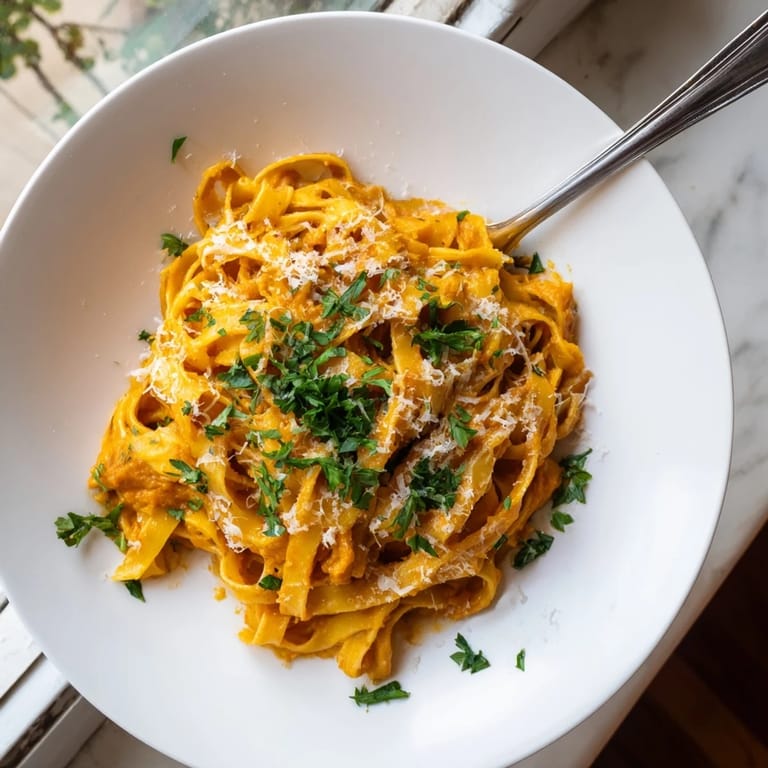
Save This dish has become my answer to cold weather, unexpected guests, and weeknights when I want something that feels like a hug. I hope it finds a place in your kitchen too.
Recipe FAQ
- → Can I make this dish ahead of time?
Yes, you can prepare the squash sauce up to 2 days in advance and store it in an airtight container in the refrigerator. Reheat gently on the stovetop before tossing with freshly cooked pasta.
- → What pasta works best with this sauce?
Fettuccine or tagliatelle are ideal choices as their wide, flat shape captures the creamy sauce beautifully. Fresh pasta creates an especially luxurious texture, though dried pasta works equally well.
- → How do I prevent the sauce from being too thick?
Reserve pasta water while draining, then gradually add it to the sauce in small amounts until you reach your desired consistency. The starch in pasta water helps the sauce cling to the noodles.
- → Can I use canned butternut squash puree instead?
Yes, you can substitute canned puree for fresh roasted squash. Use approximately 1.5 cups of puree and skip the roasting step. However, roasting develops deeper, caramelized flavors that enhance the dish significantly.
- → What are good additions to customize this dish?
Sautéed mushrooms, fresh spinach, toasted walnuts, crispy sage leaves, or pine nuts add wonderful texture and flavor. A drizzle of truffle oil or crispy breadcrumbs on top creates elegant garnishes.
- → Is this dish suitable for vegetarians and vegans?
The base is vegetarian. For a vegan version, replace heavy cream with full-fat coconut milk or cashew cream, and use vegan Parmesan or nutritional yeast for the same umami depth.